Pencil Portrait Gallery
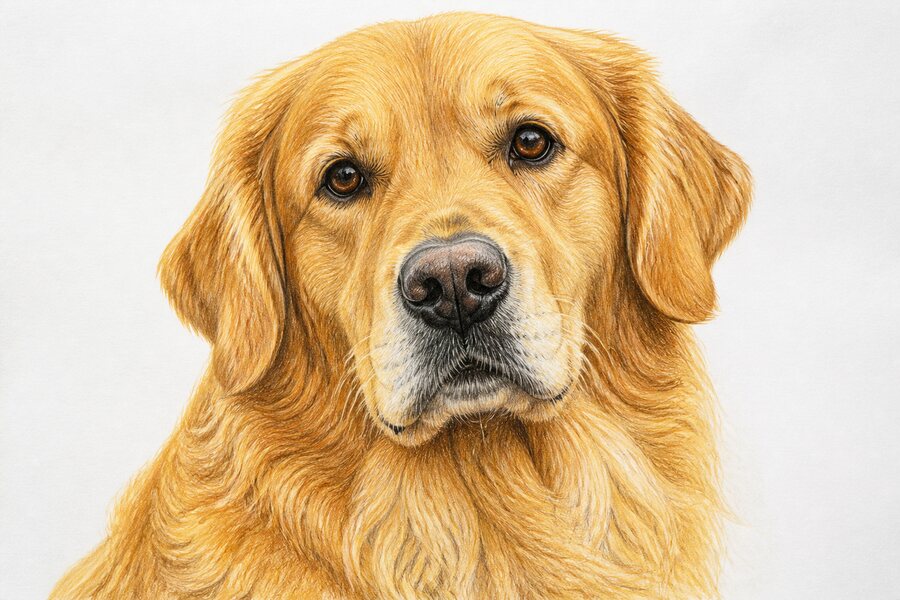
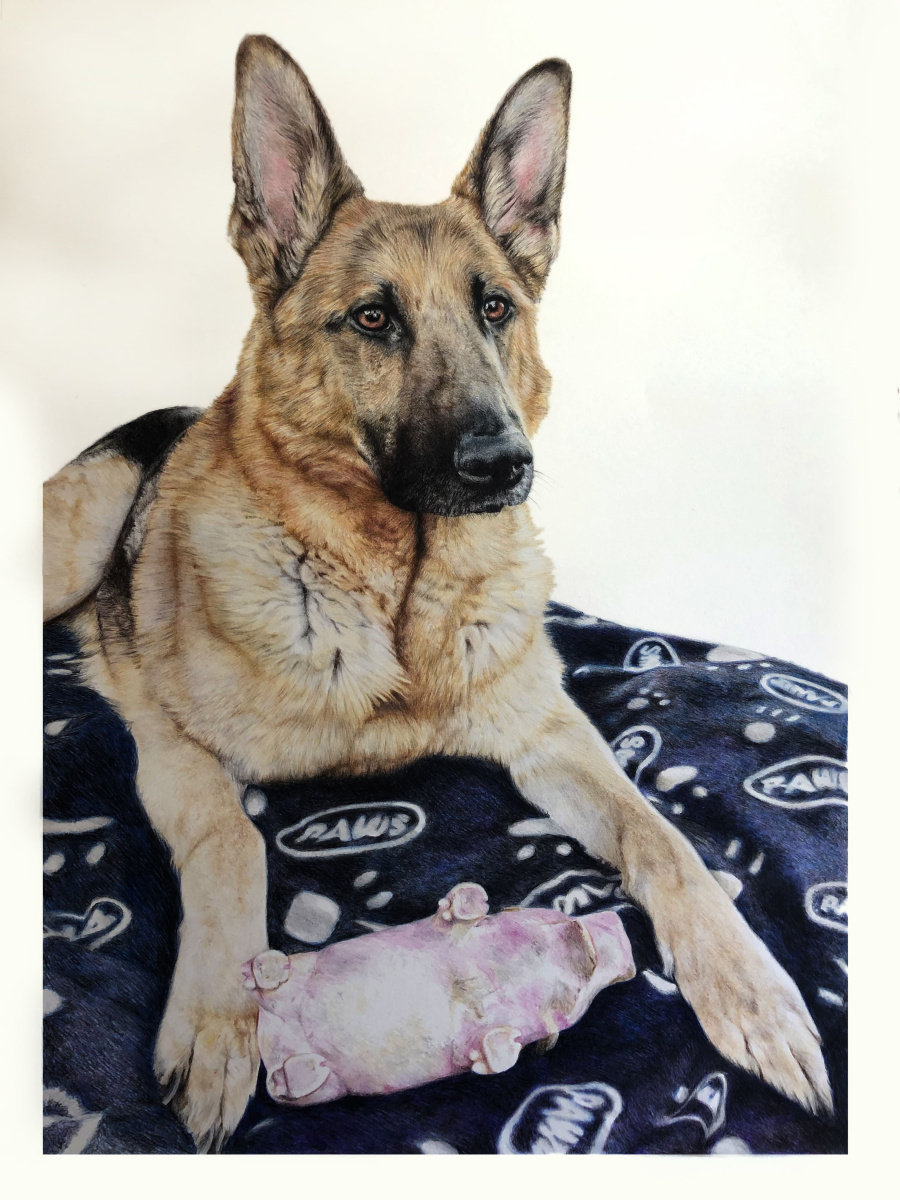
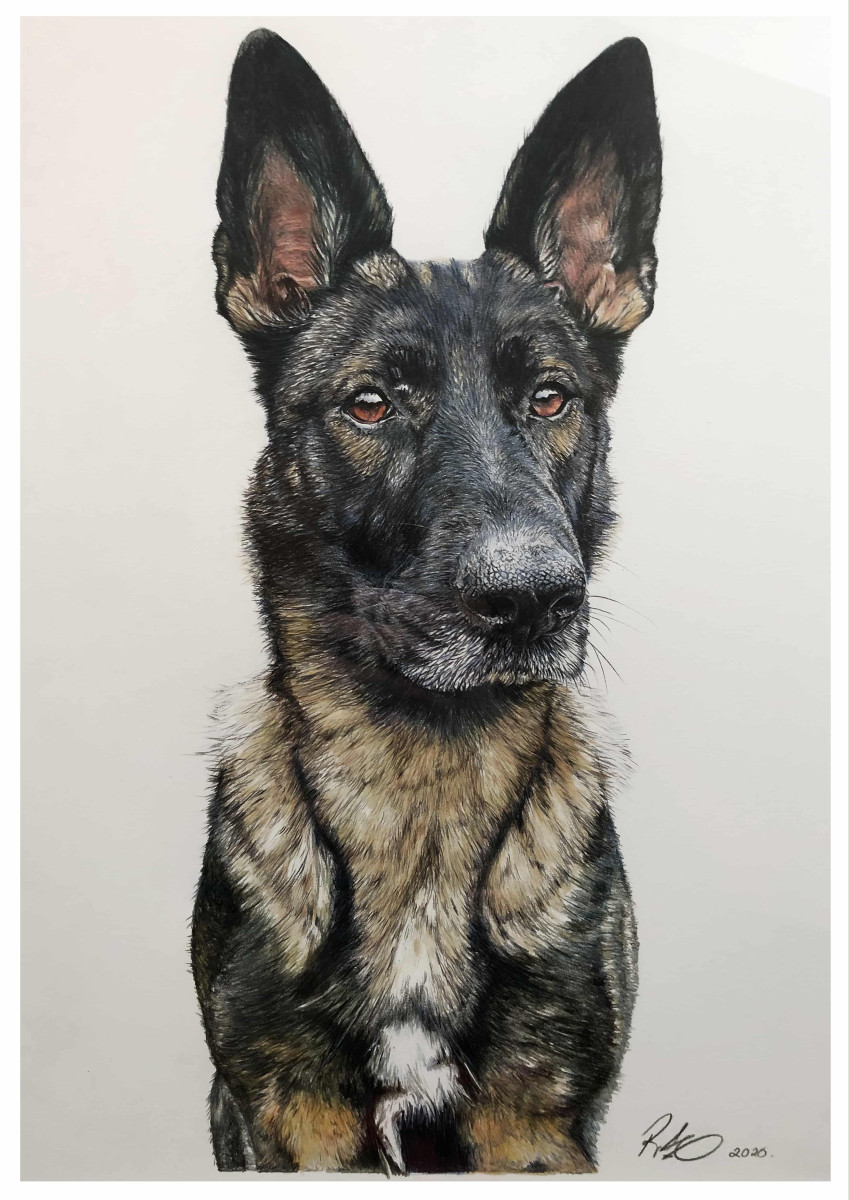
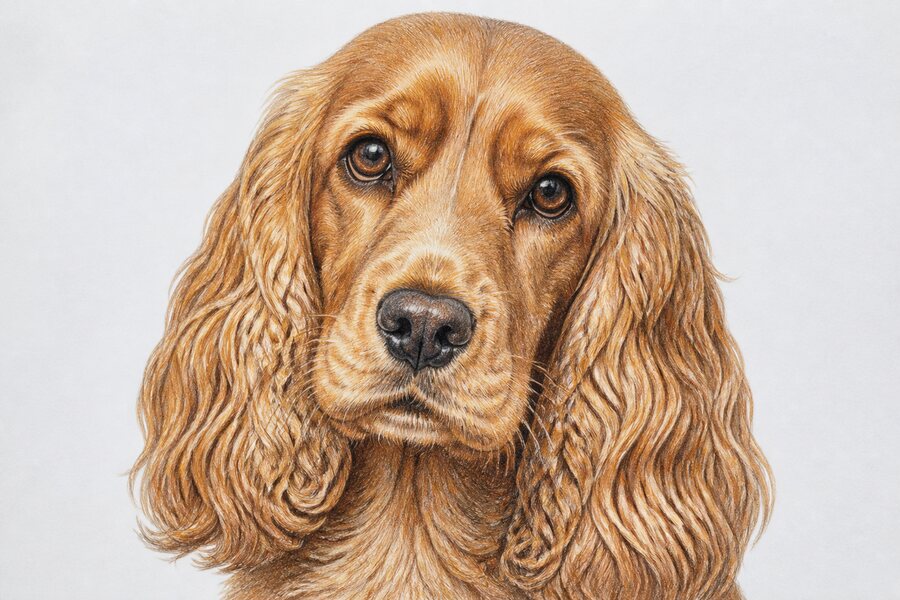
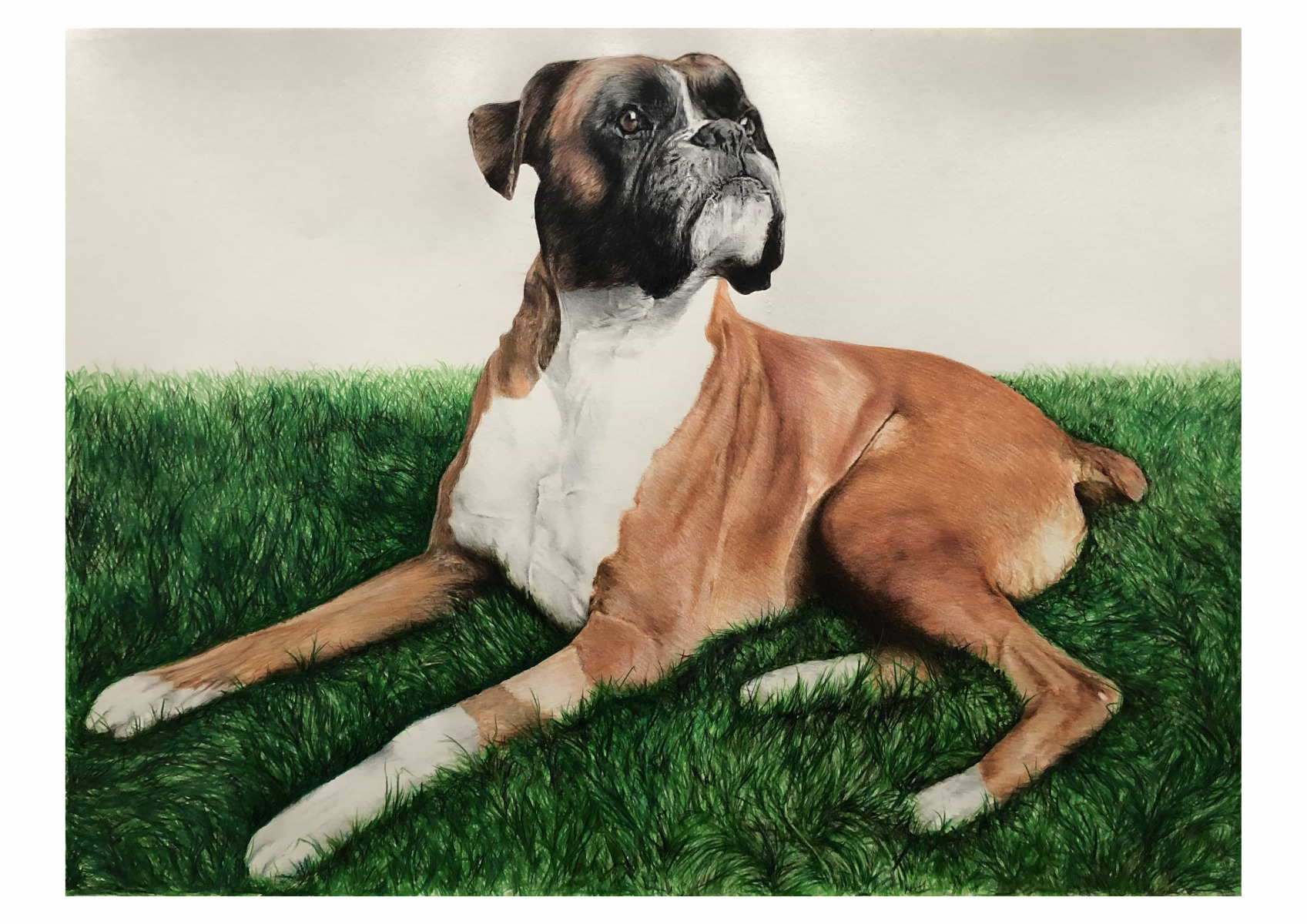
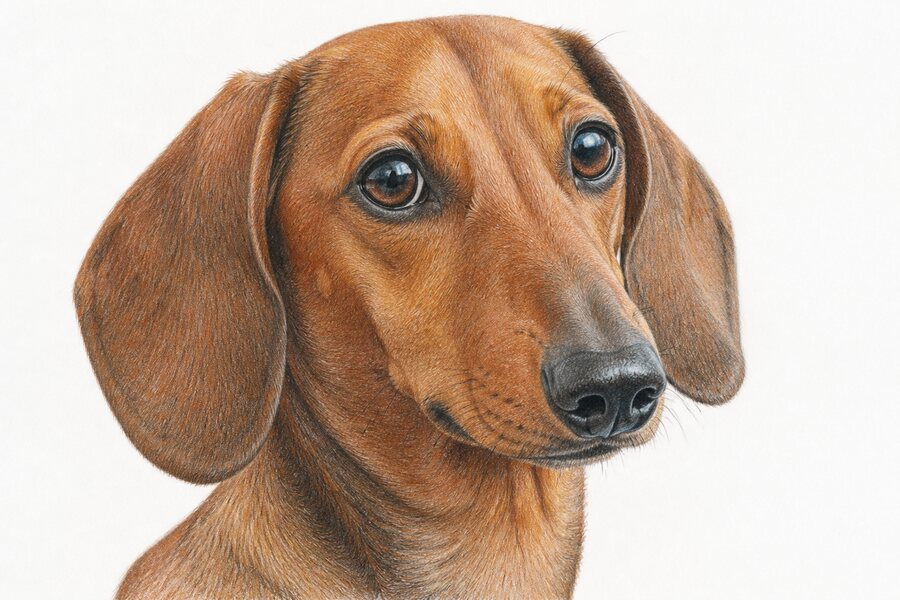
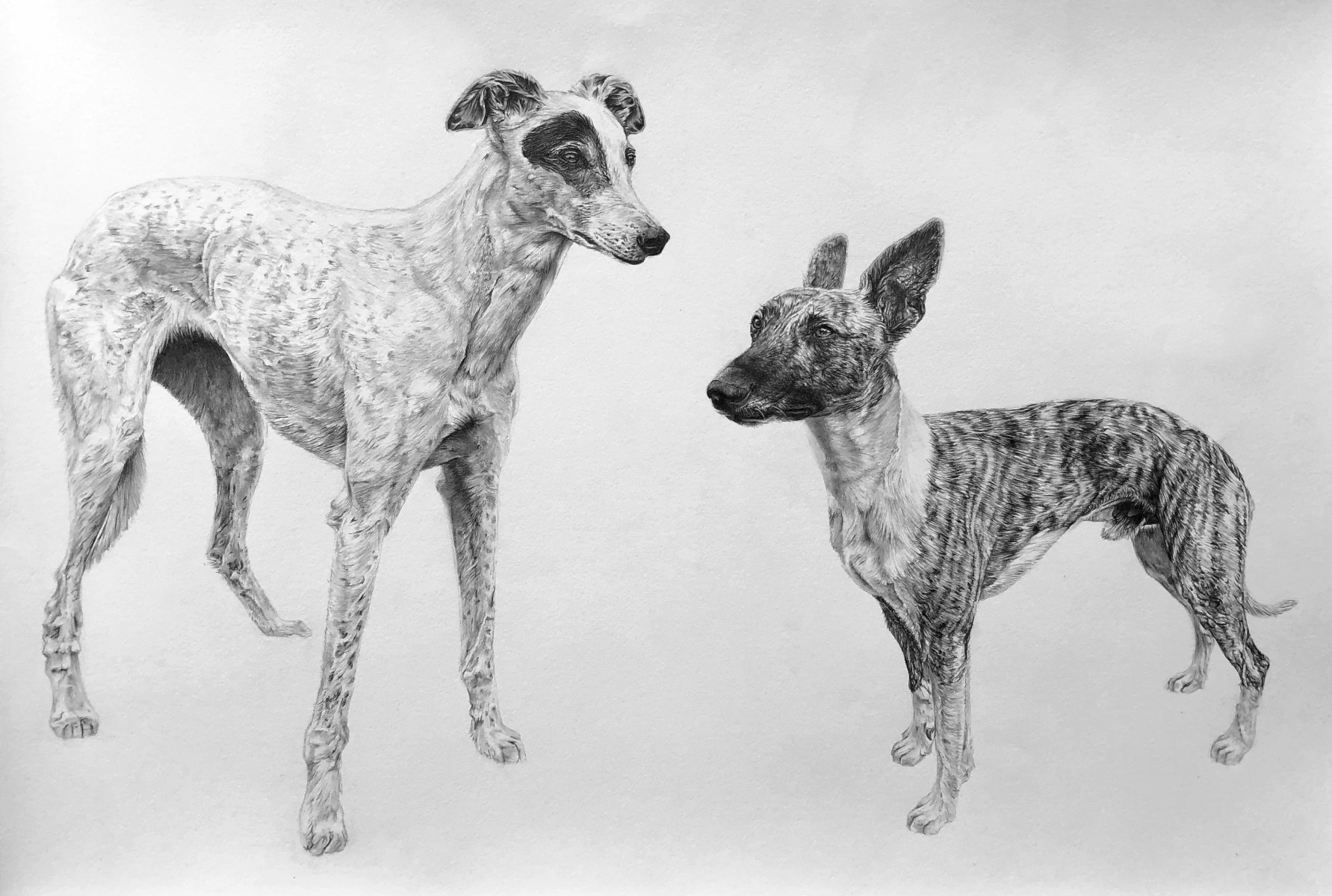
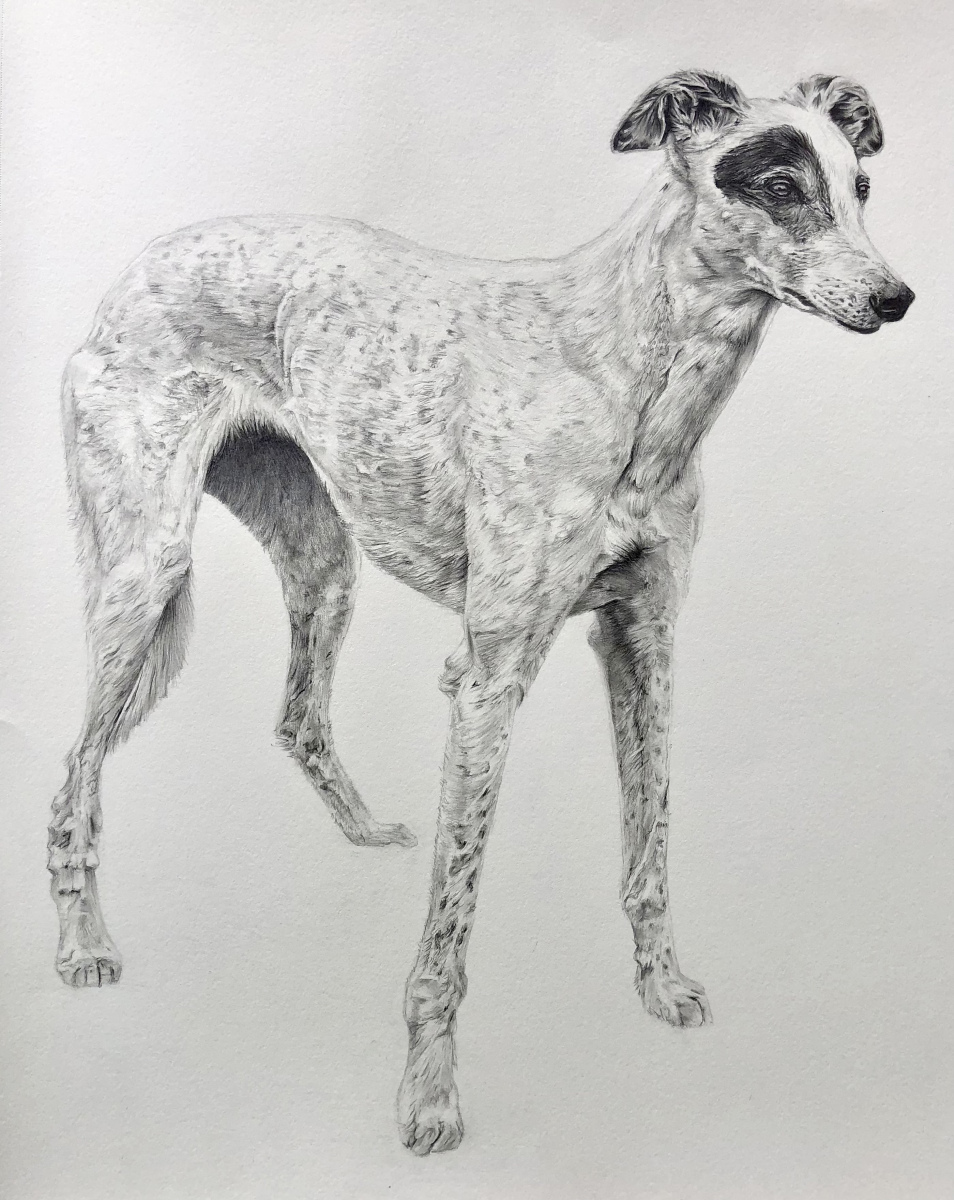
Pet Pencil Portraits – Dogs
Pet Pencil Portraits – Cats
People Pencil Portraits

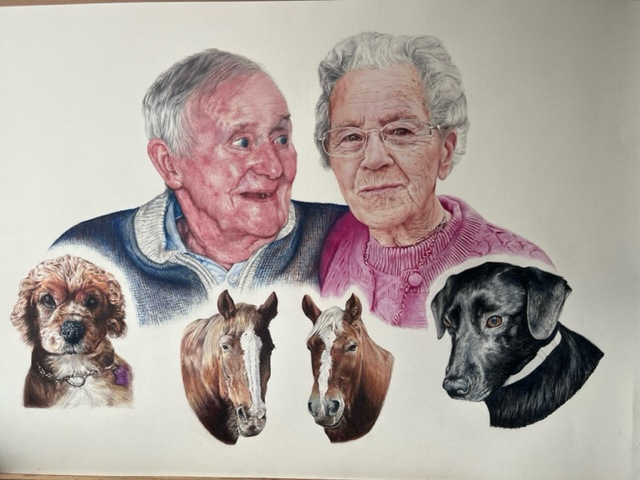
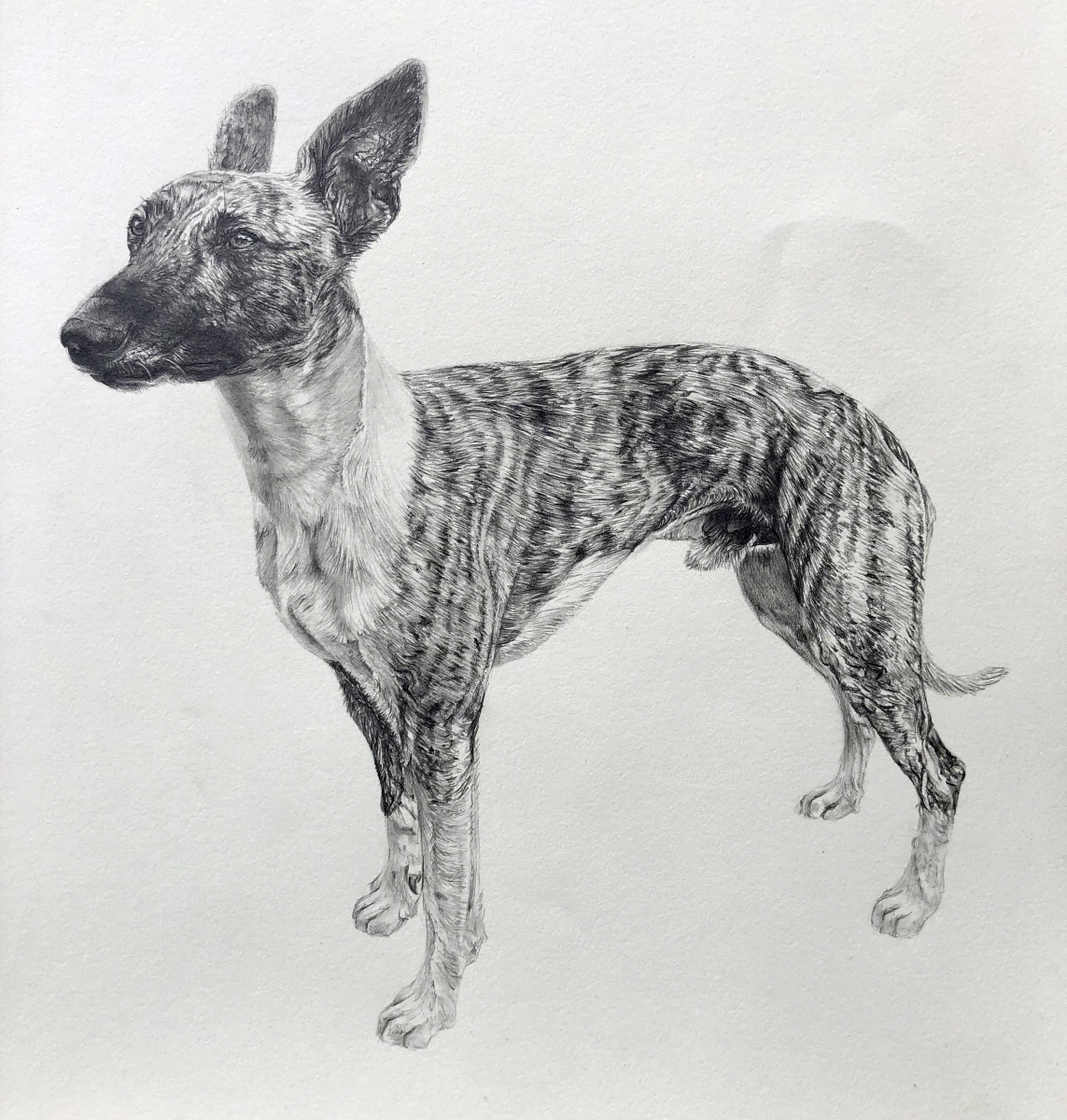
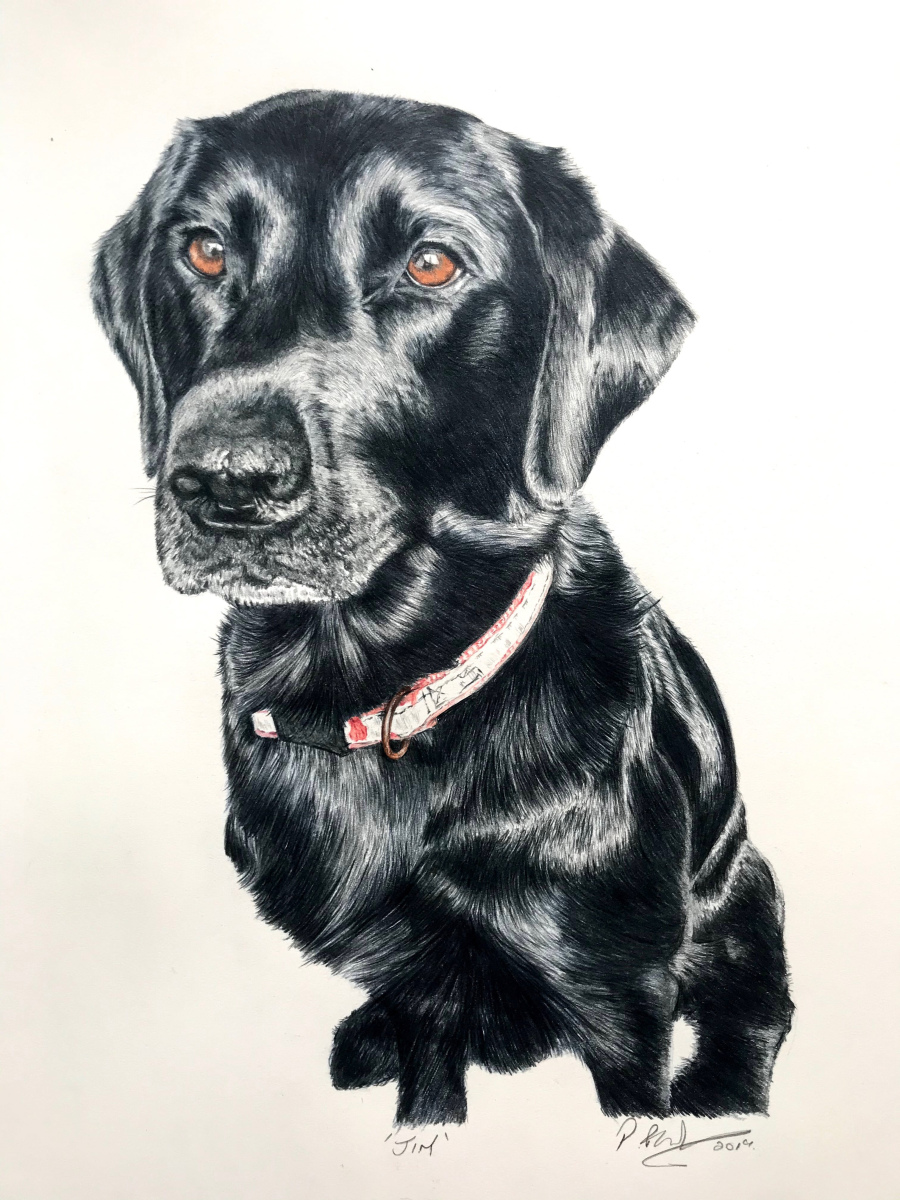
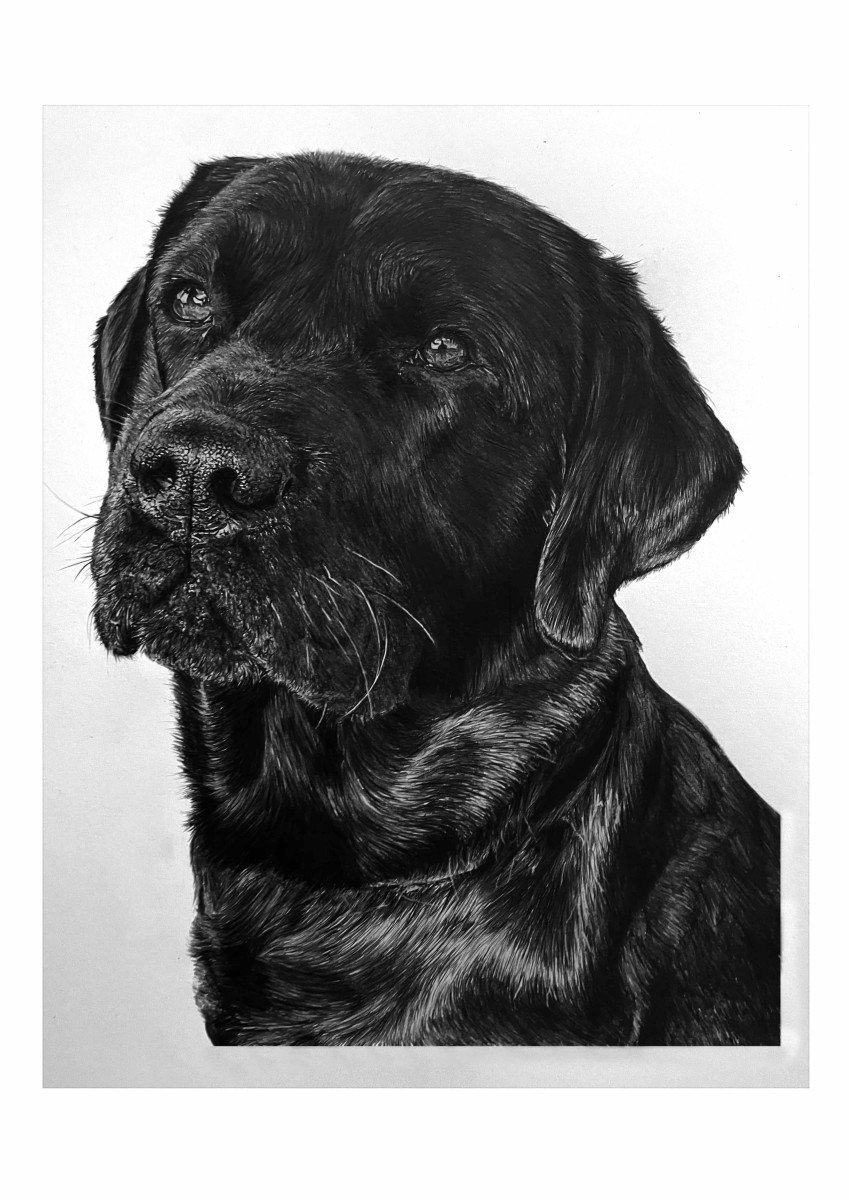
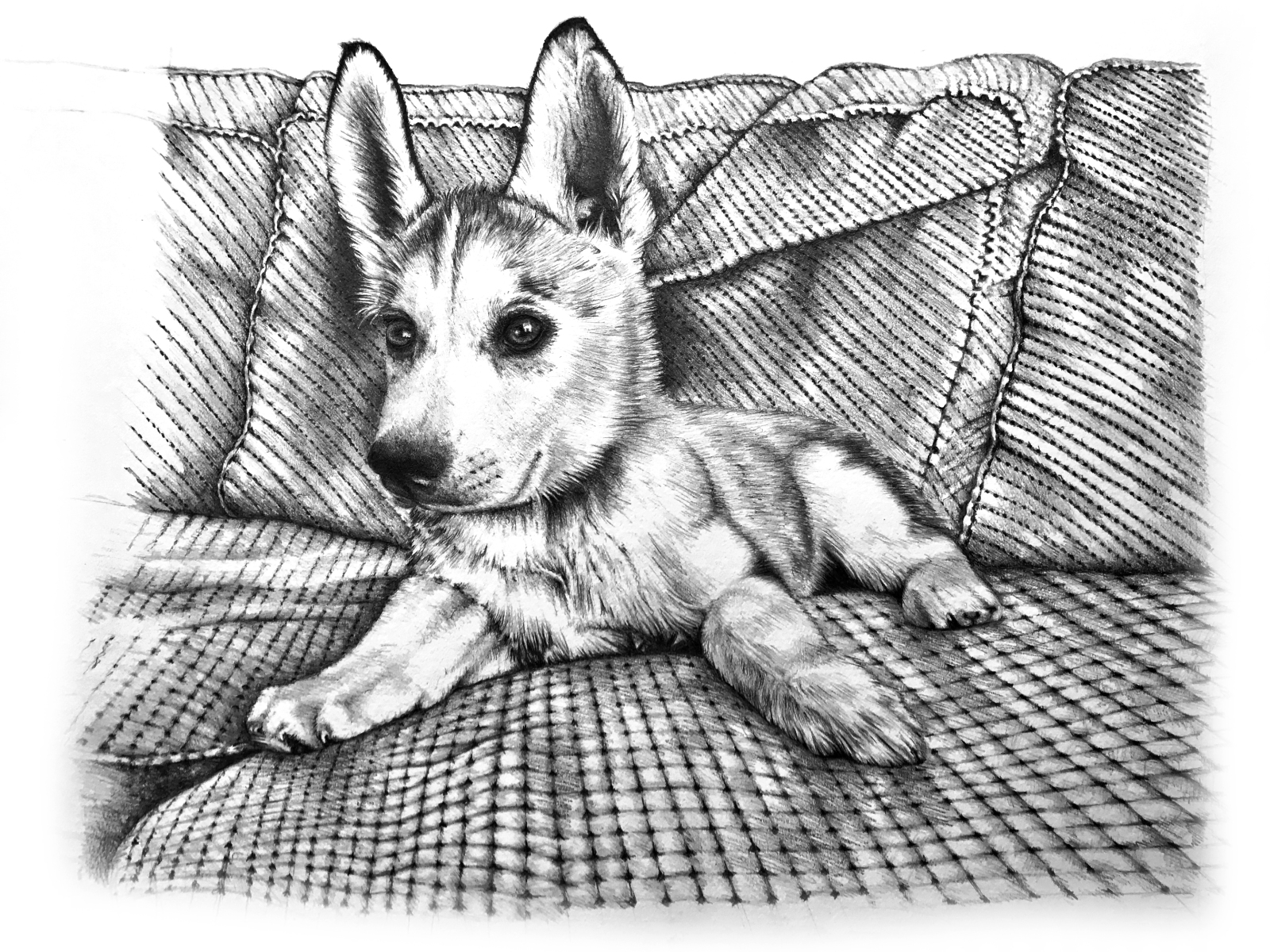
Pet Pencil Portraits of Dogs
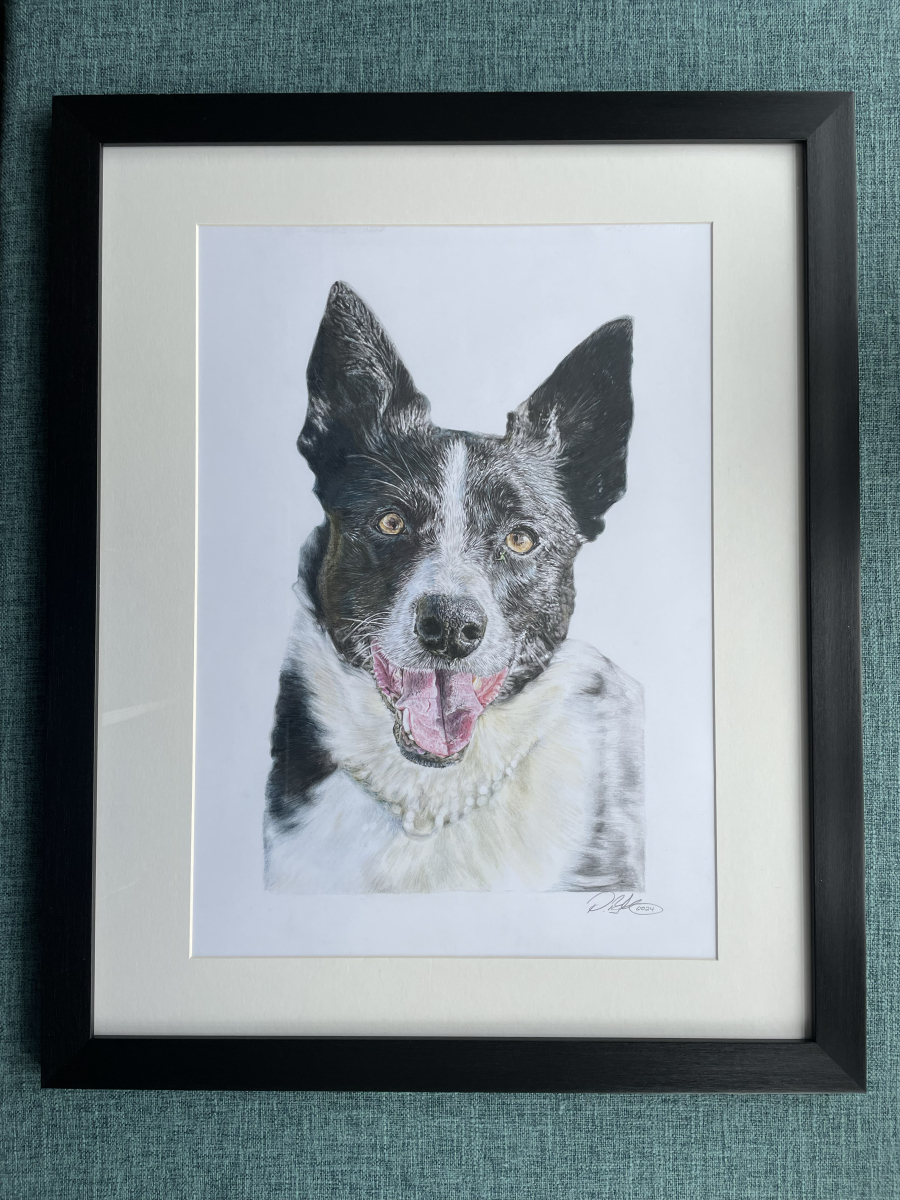
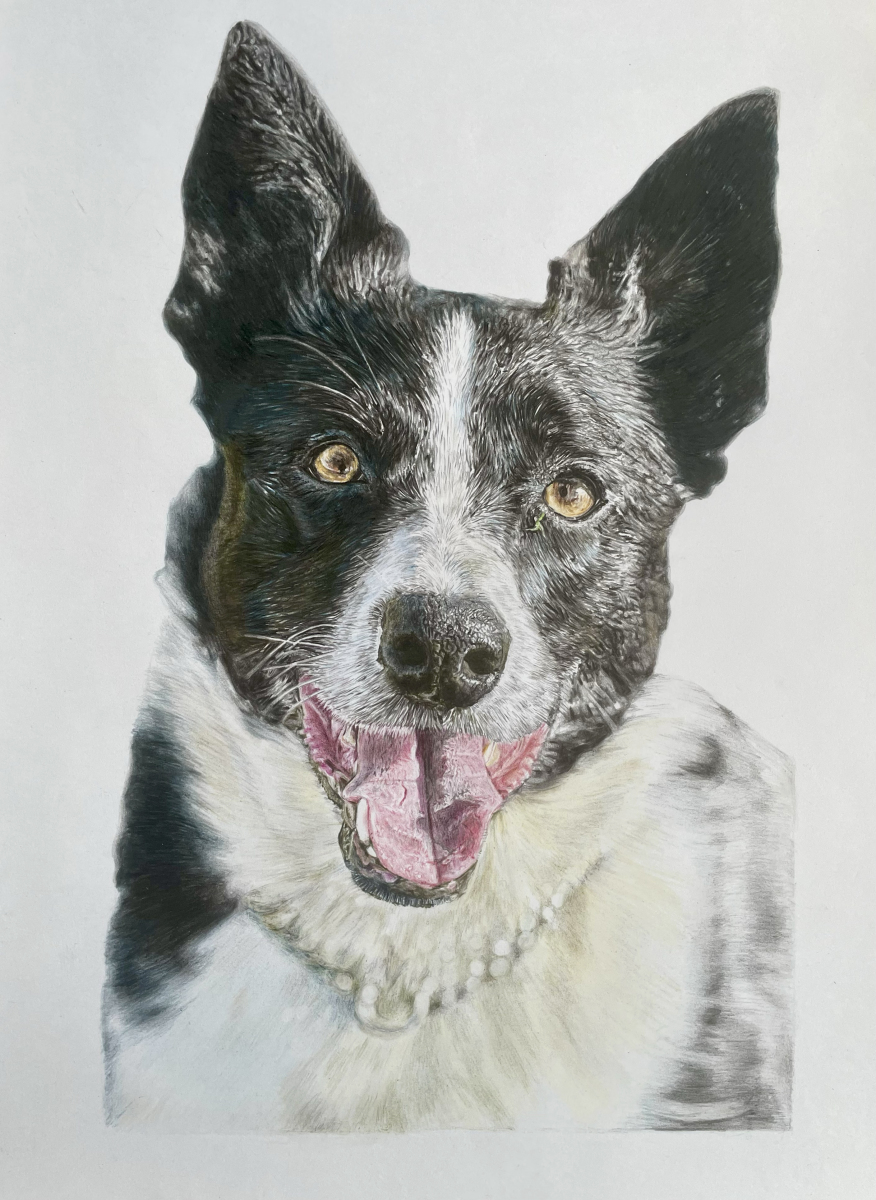
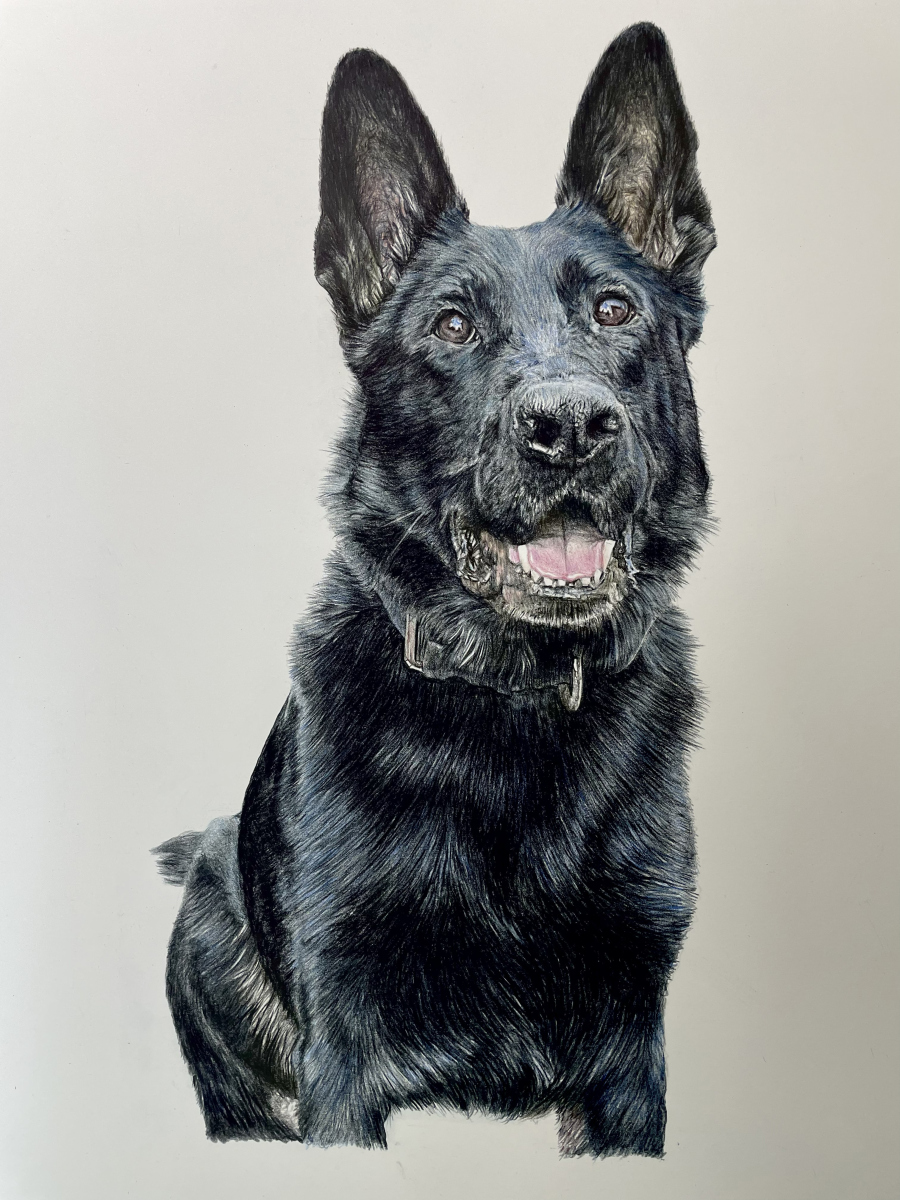
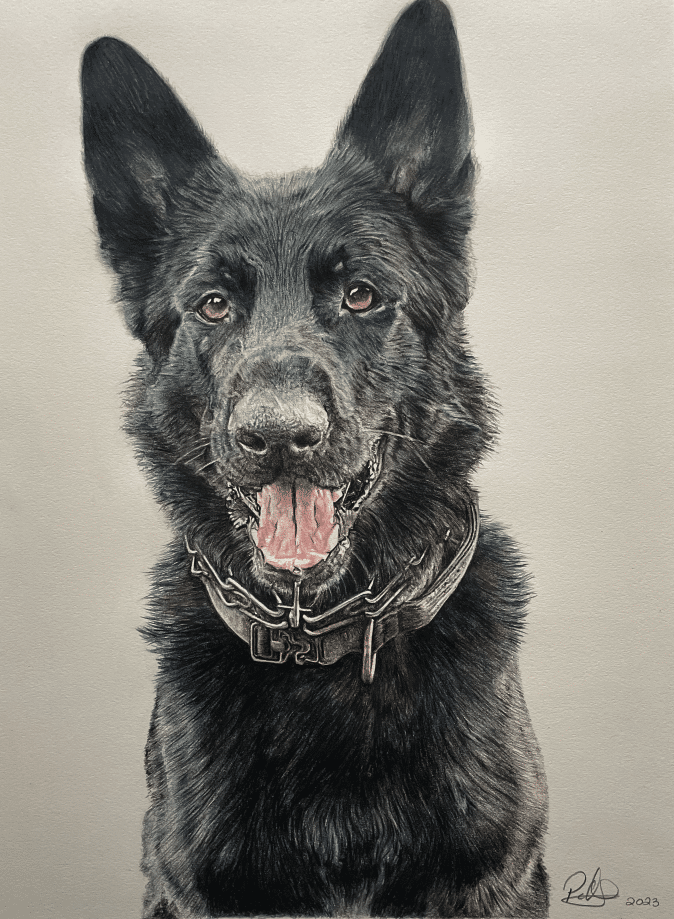
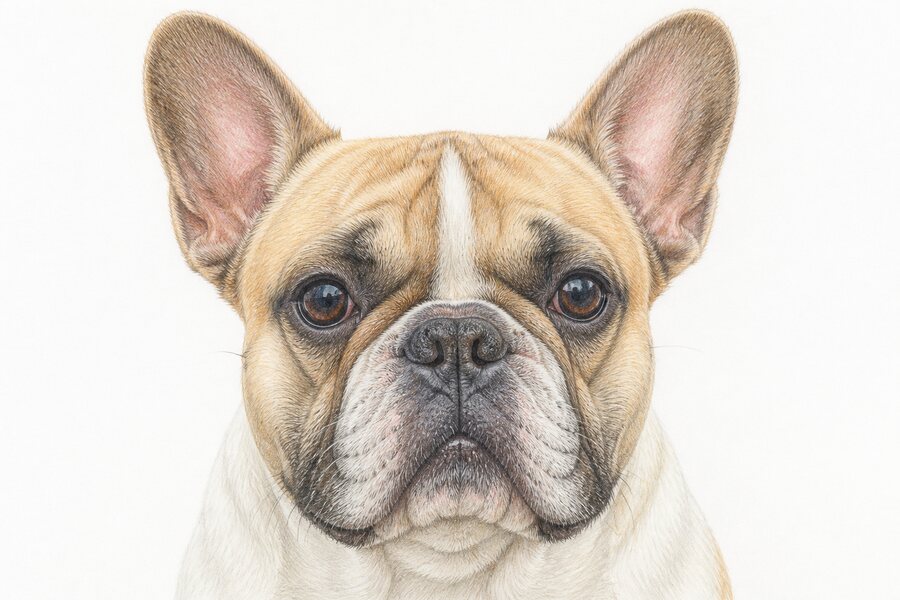
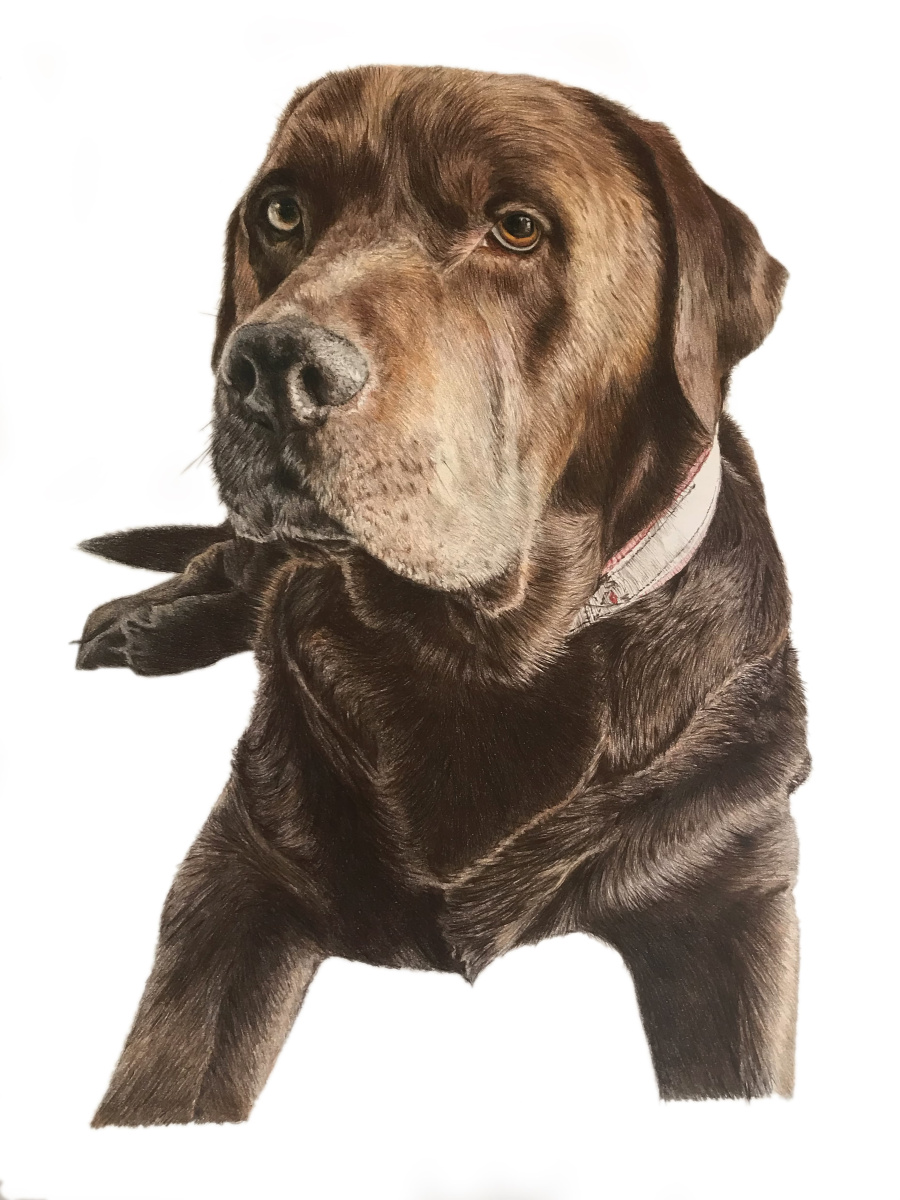
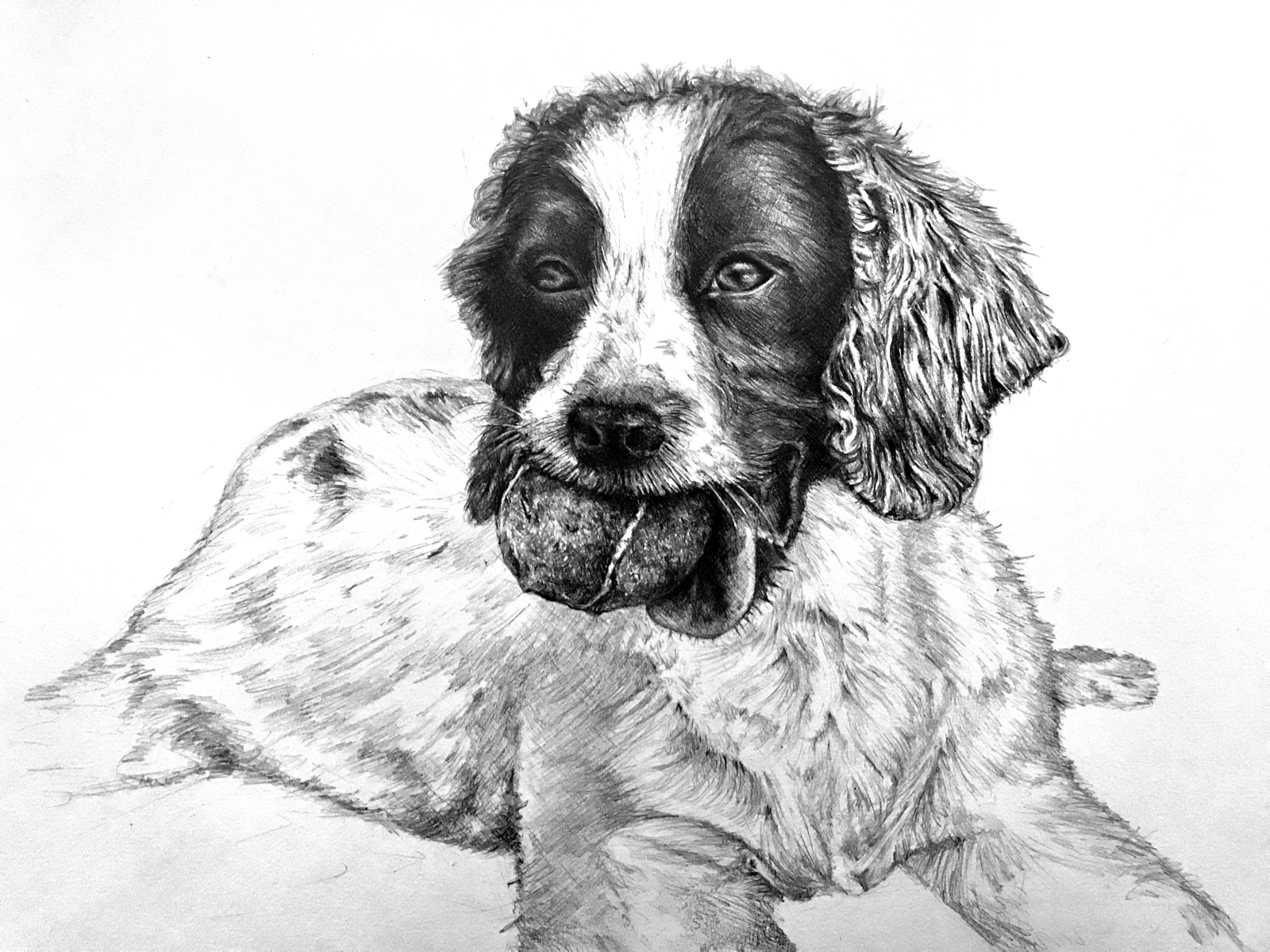
There’s something uniquely captivating about a pencil portrait of a dog. While digital photos can be taken in seconds, a pencil portrait slows everything down, giving the subject a timeless, handcrafted quality. It’s not just about making an accurate likeness—it’s about capturing personality, emotion, and those tiny quirks that make each dog special.
A good pet pencil portrait starts with observation. The artist studies the slope of the dog’s nose, the way the fur changes texture from muzzle to ear, and the glint in the eyes that reveals a spark of personality. Graphite allows for an incredible range of tones, from the softest, light gray to deep, rich shadows. This tonal variety means an artist can show the silky sheen of a Labrador’s coat, the wiry texture of a terrier’s fur, or the fluffy volume of a Samoyed’s mane—all with subtle, layered strokes.
Dogs are full of character, and pencil portraits have a way of making that character feel alive. A slightly tilted head might capture curiosity, a relaxed gaze might reveal trust, and an open mouth with the tongue out could bring to mind a favorite memory of playtime. These expressive details often feel more intimate in a drawing than in a photograph, because the artist chooses what to emphasize. Every stroke is intentional.
Pencil portraits also have a certain elegance that works in any setting. The monochrome palette is versatile—perfect for a modern living room, a cozy study, or even a professional office. Framed under glass, a pencil drawing of a beloved dog can feel both personal and artistic, a piece of decor that also holds sentimental weight.
Many people commission pencil portraits as a way to celebrate their dog’s life. Sometimes it’s a joyful gift for a birthday or adoption anniversary; other times it’s a memorial piece, offering comfort after loss. In both cases, the drawing becomes a keepsake—a tangible reminder of a bond that photographs alone can’t quite capture. Unlike a photo, which might fade or get buried in digital storage, a framed portrait remains a visible and cherished part of the home.
One of the charms of pencil as a medium is its flexibility. Artists can work in a loose, sketch-like style that feels energetic and playful, or they can render each hair in meticulous detail for a highly realistic effect. Some even blend the two approaches, creating soft, blurred backgrounds that make the dog’s features stand out sharply.
The commissioning process often feels personal, too. Clients share photos, stories, and personality notes about their dog—sometimes even favorite quirks or mannerisms—so the artist can understand the subject beyond just appearance. This collaboration means the finished piece isn’t just a generic drawing of “a dog,” but a heartfelt tribute to a specific companion.
In the end, a pencil portrait of a dog is more than art. It’s a bridge between memory and reality, between what we see and what we feel. It distills the essence of a beloved pet into a form that can be admired for decades, preserving not just how they looked, but who they were.
Pet Pencil Portraits of Cats
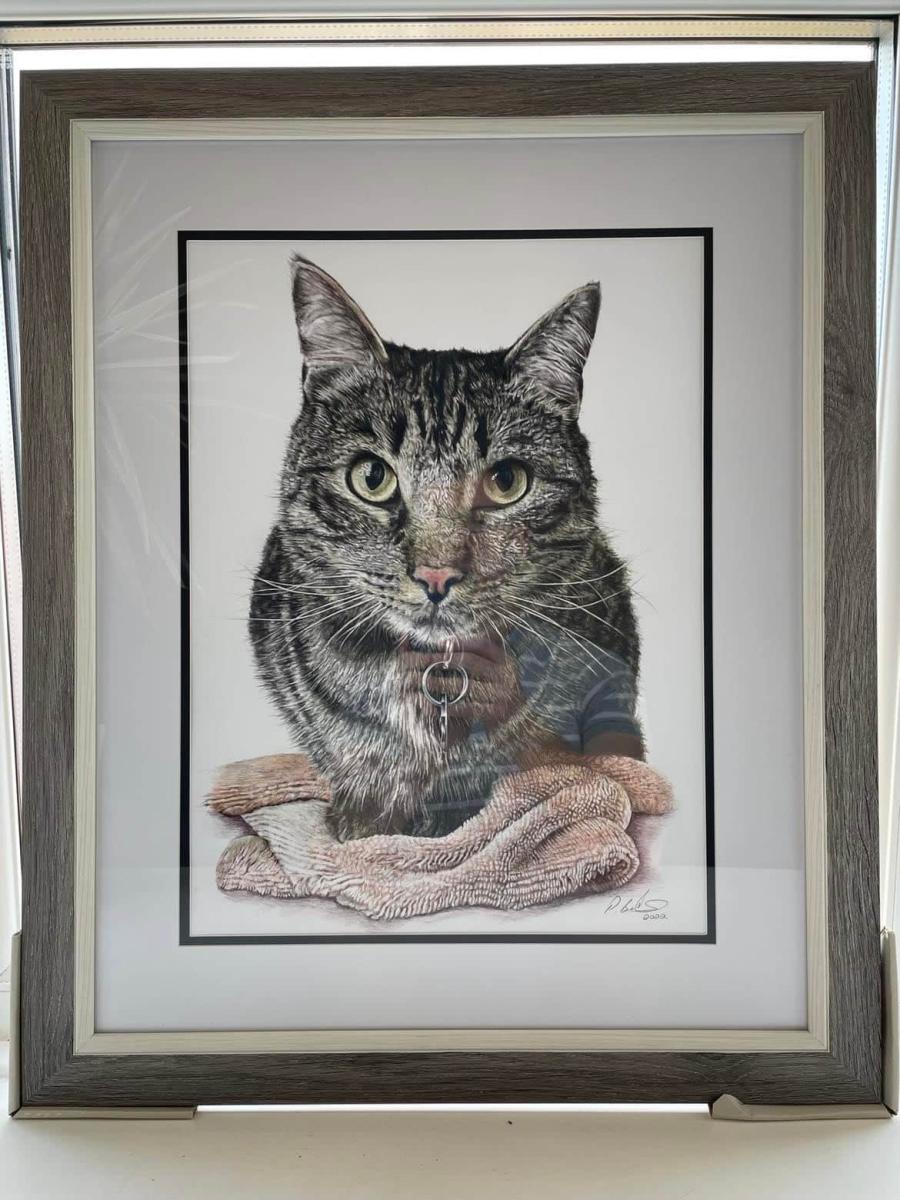
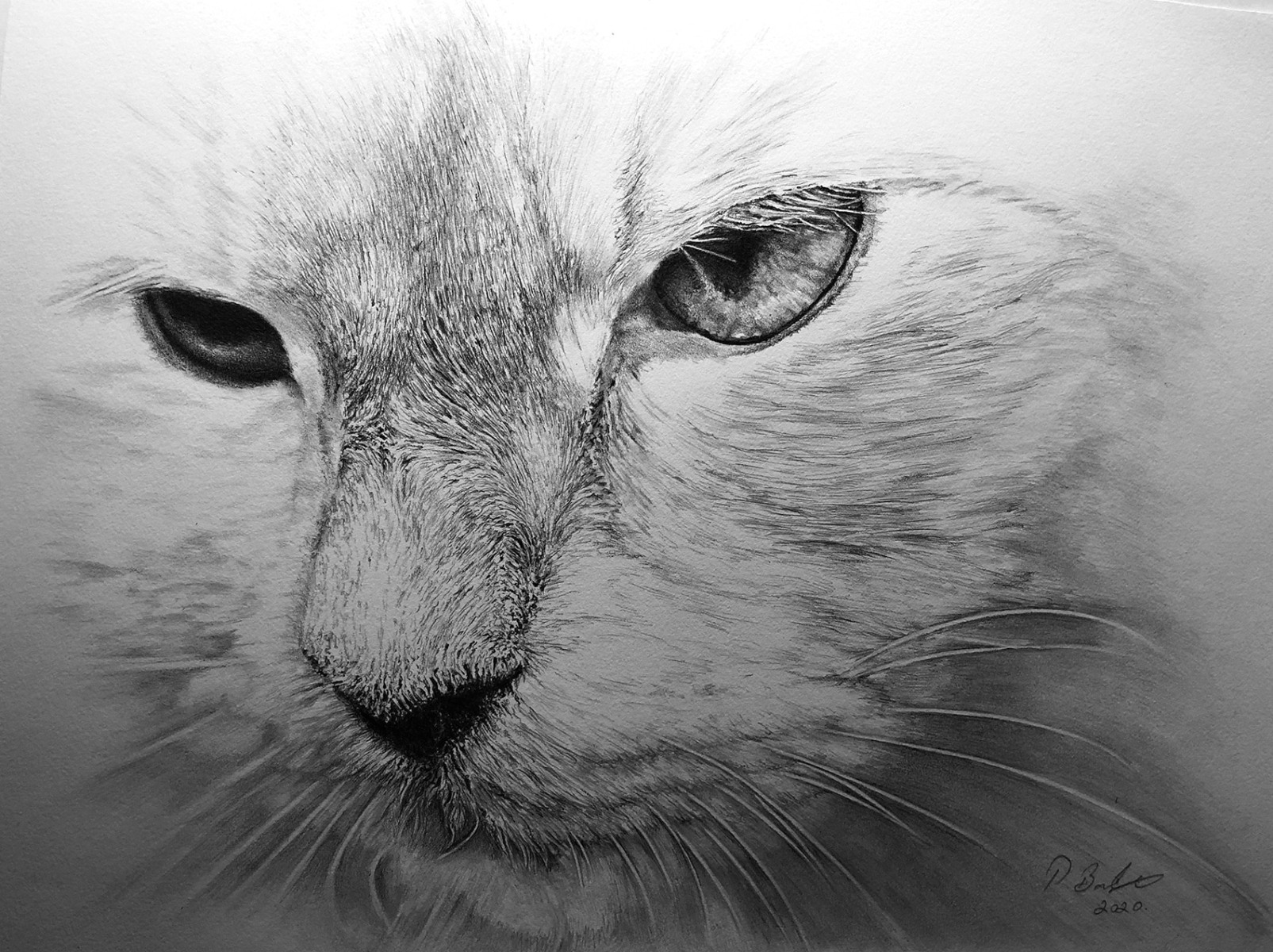
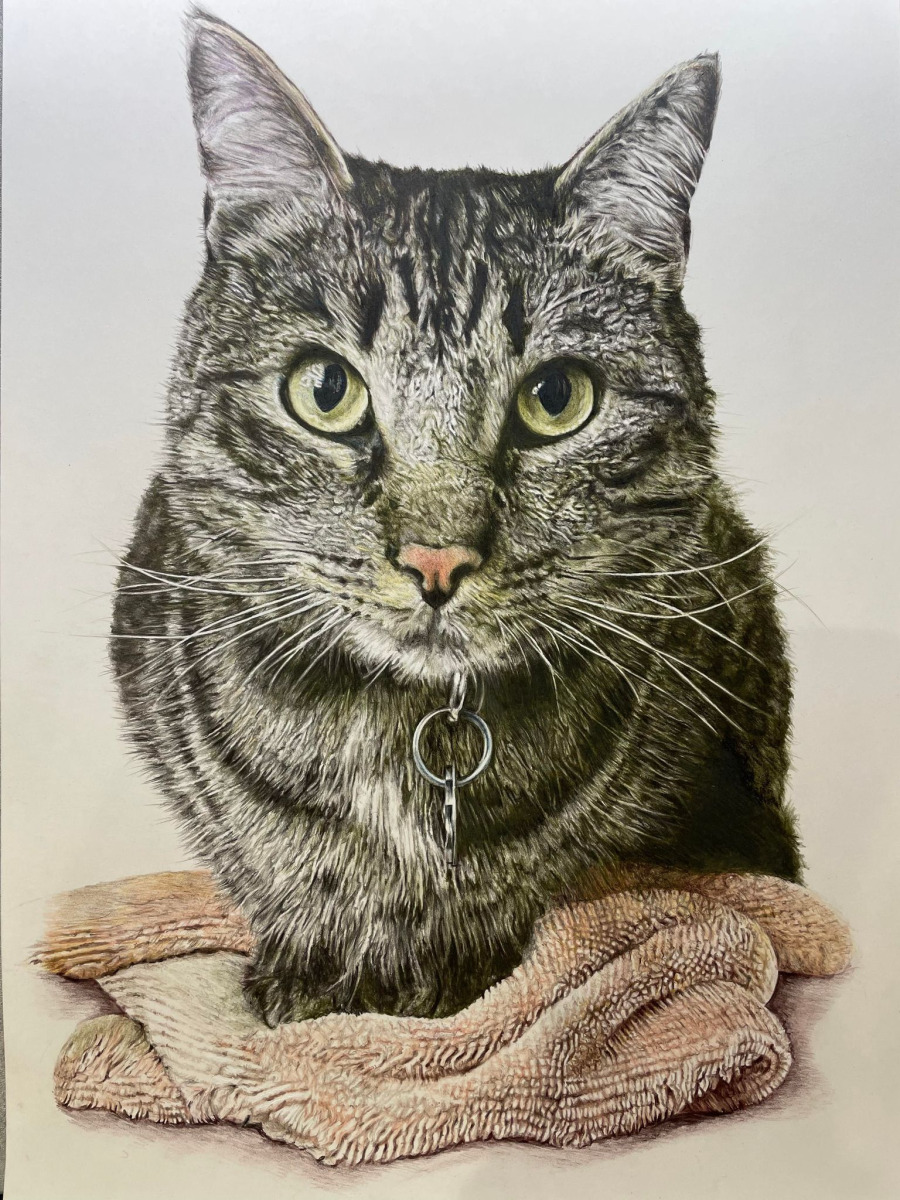
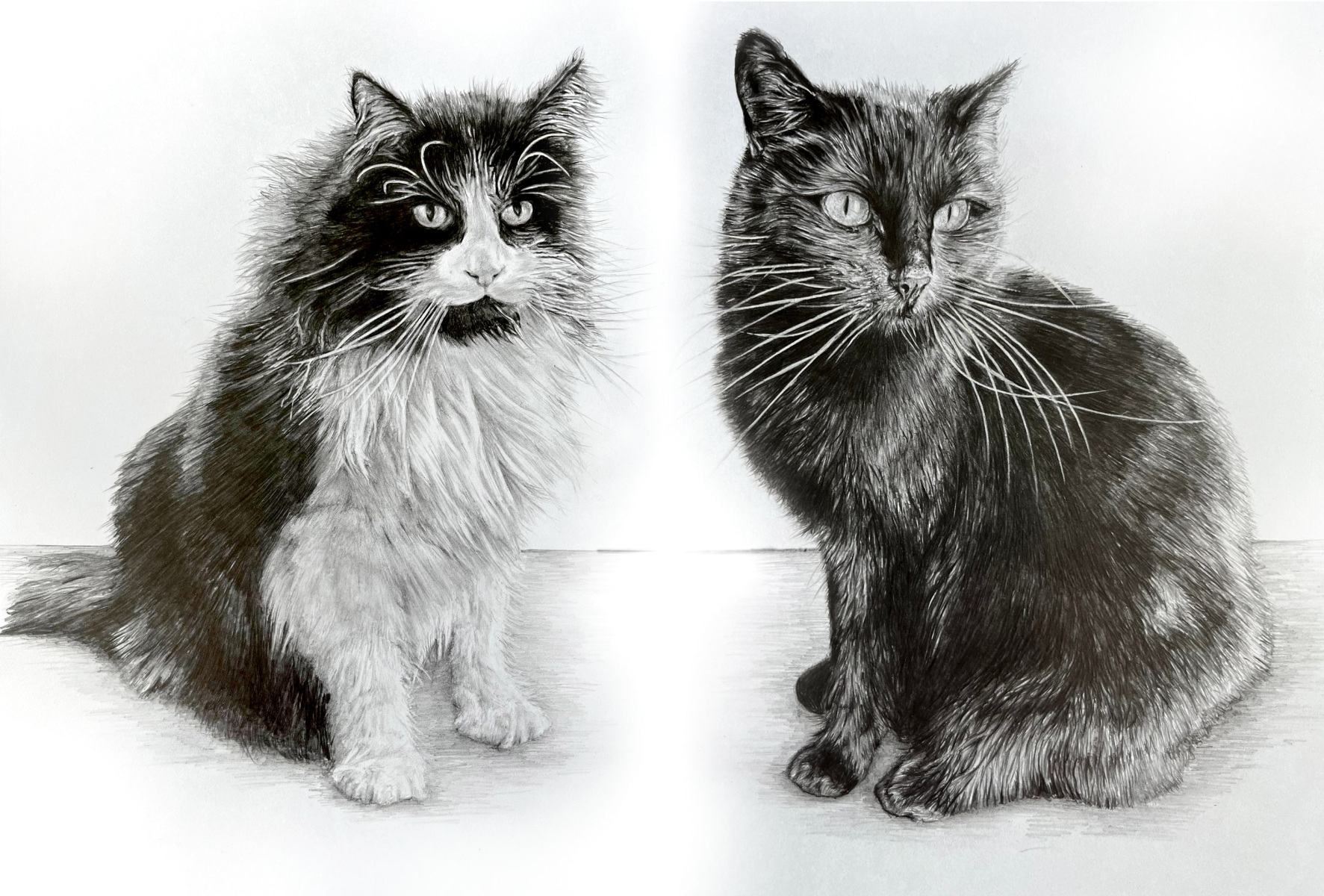
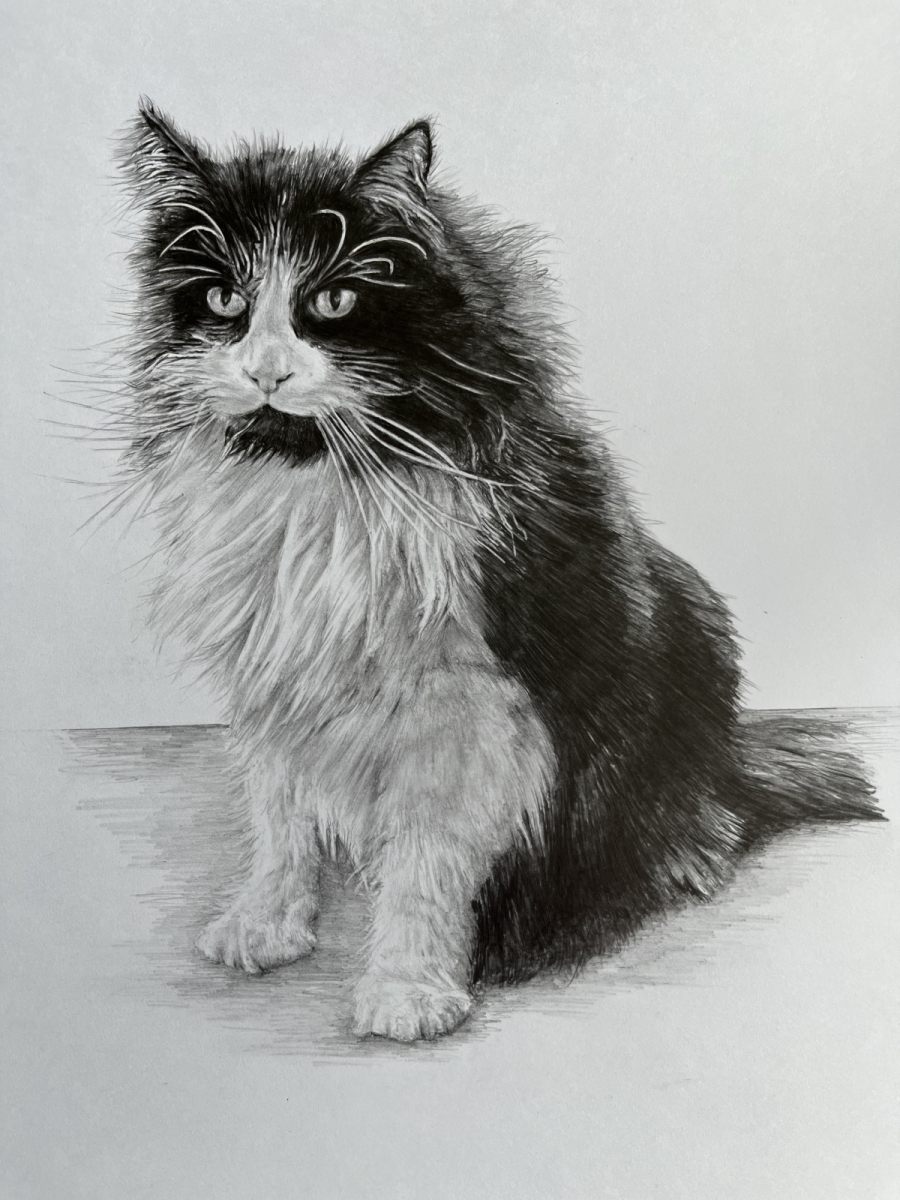
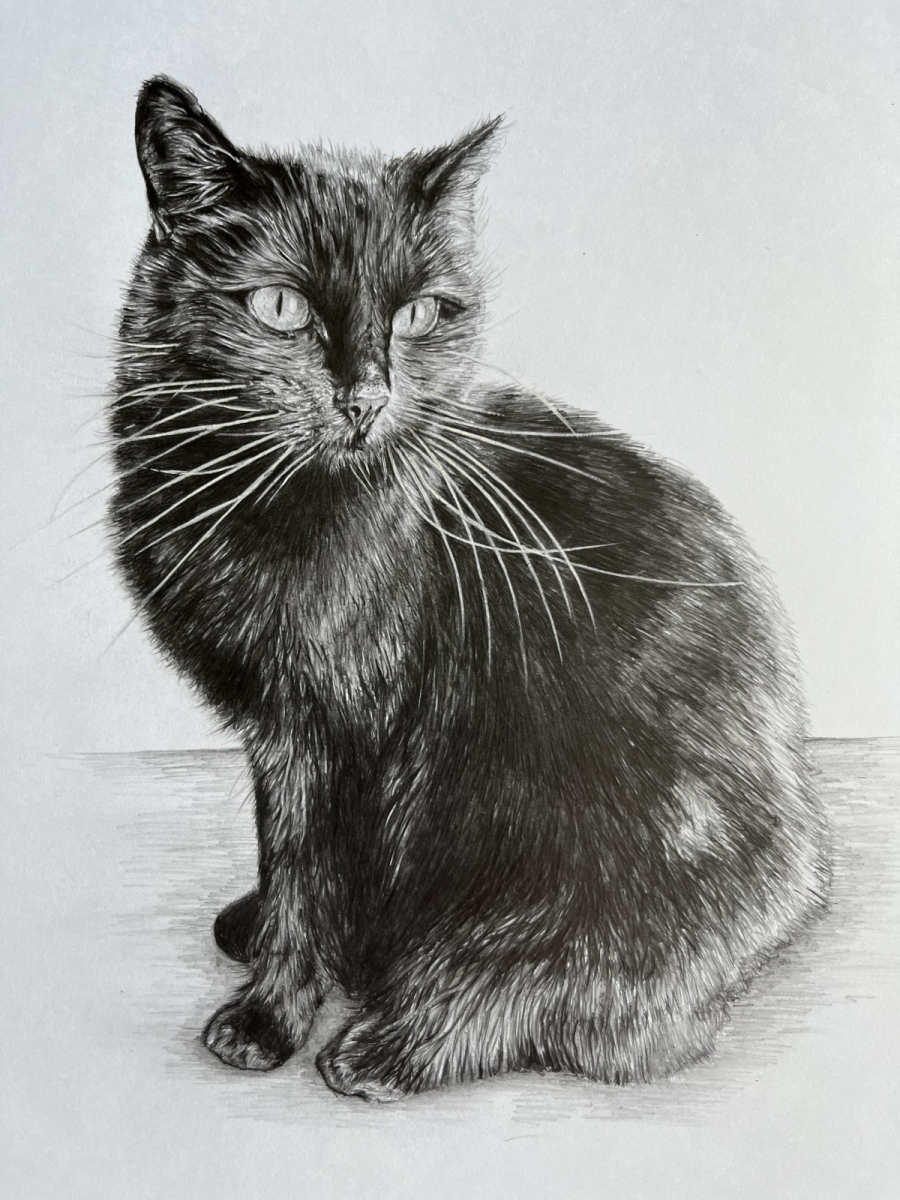
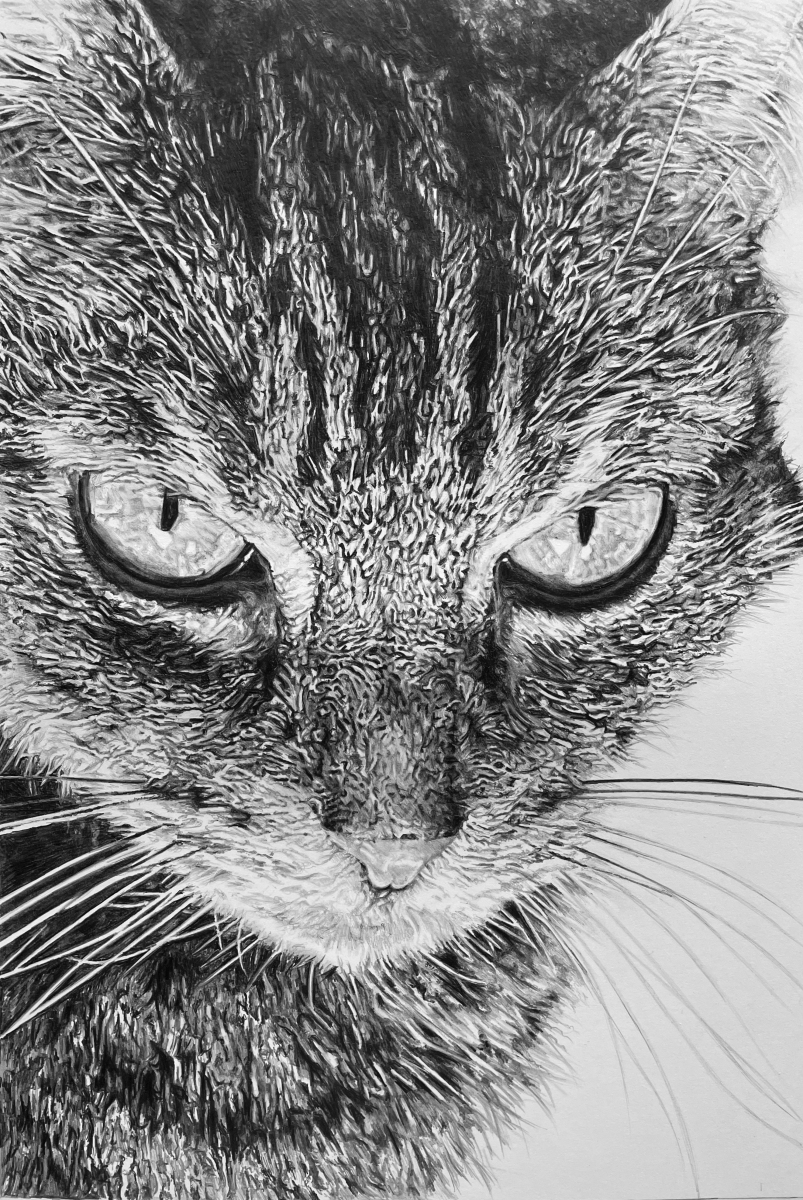
There’s an undeniable charm in a pencil portrait of a cat. While a quick snapshot can capture a moment, a pencil drawing captures a feeling—a sense of stillness, grace, and personality that feels almost timeless. Cats, with their sleek lines, expressive eyes, and subtle variations in fur texture, seem perfectly suited to the medium of graphite. A skilled artist can transform a simple sheet of paper into a lifelike tribute that embodies the quiet elegance and quirks of a feline friend.
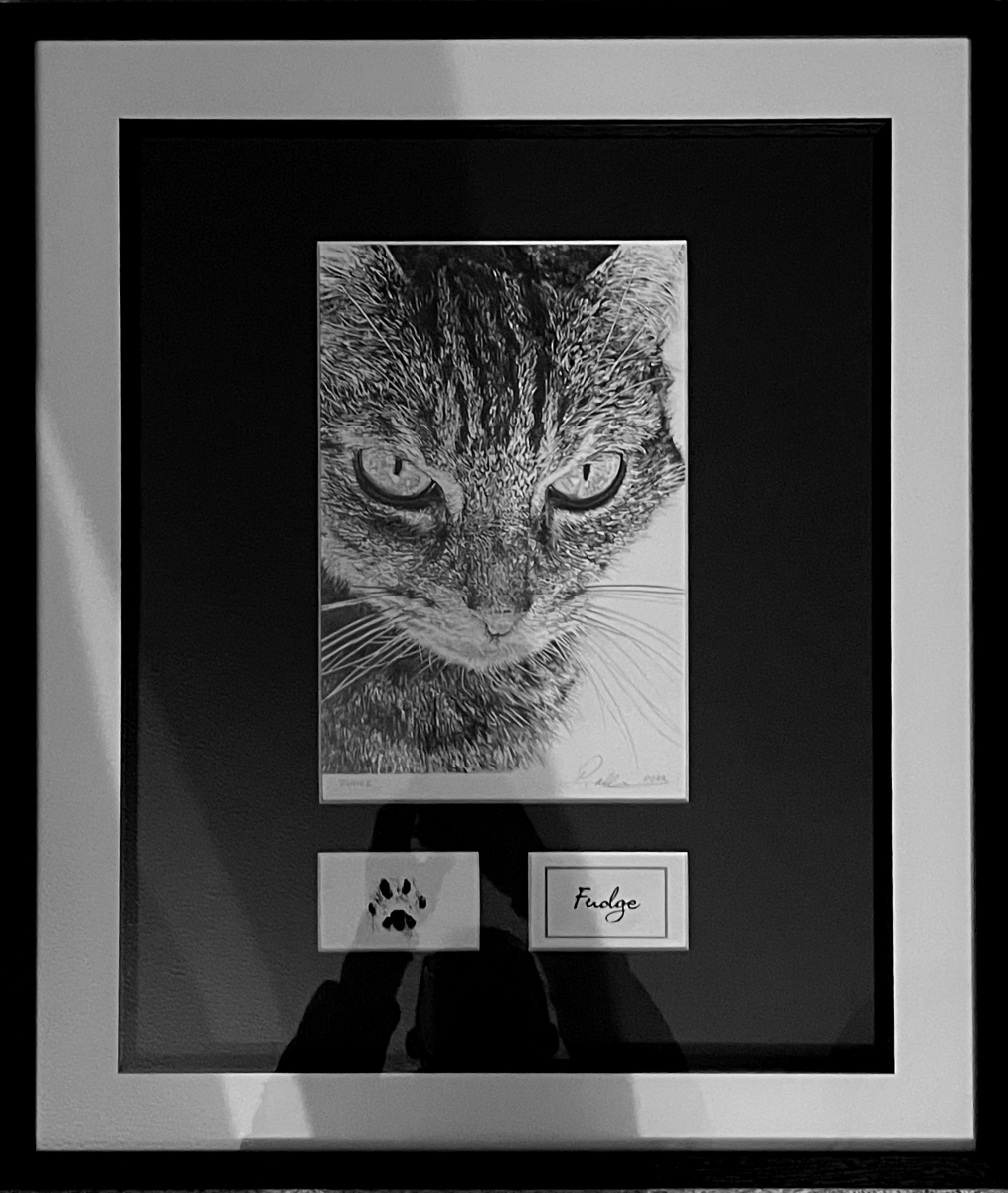
A good cat portrait begins with attention to detail. The artist studies the arch of the neck, the tilt of the ears, and the delicate whiskers that frame the face. Cats’ eyes, often striking and full of depth, become a focal point—graphite can layer shades to create the illusion of light reflecting off the iris, giving the portrait an almost living quality. The softness of a short-haired tabby’s coat or the luxurious fluff of a Maine Coon’s mane can be conveyed with careful shading and varied pencil strokes, building up texture and depth.
Cats are known for their personalities, which can range from regal and reserved to playful and mischievous. A pencil portrait allows the artist to highlight these traits in subtle ways. A relaxed cat curled into a ball might exude calm contentment, while a poised, upright pose with direct eye contact could reveal quiet confidence. Sometimes, the smallest detail—a slightly twitching tail or a half-closed eye—can convey more about a cat’s nature than any full-body image.
The monochrome nature of pencil art adds a timeless appeal. Without color to distract, the viewer’s attention is drawn to form, expression, and texture. This makes a pencil portrait versatile for any style of home decor, whether it’s framed in something ornate and vintage or in a clean, minimalist style. Hung on a wall or placed on a shelf, a cat’s portrait becomes both an art piece and a cherished keepsake.
Many people choose to commission cat portraits as a way to celebrate the bond they share with their pet. It might be a joyful way to mark an adoption anniversary, a thoughtful gift for a fellow cat lover, or a way to memorialize a beloved companion who has passed. In each case, the portrait serves as a lasting tribute, one that can be appreciated for years without losing its emotional impact.
The process of commissioning a pencil portrait often feels deeply personal. Artists typically work from several reference photos, capturing not just the cat’s likeness but its essence. Owners may share little stories—how the cat always sits in the sunbeam at 3 p.m., or how it greets them with a soft chirp. These details inform the artist’s choices, ensuring the final piece feels intimate and true.
Ultimately, a pencil portrait of a cat is more than just a drawing. It’s a blend of artistry and sentiment, capturing not only what the cat looked like, but the way they made their owner feel. In graphite lines and subtle shading, a beloved pet’s spirit is preserved—ready to be admired, remembered, and cherished for decades.
Pencil Portraits of People
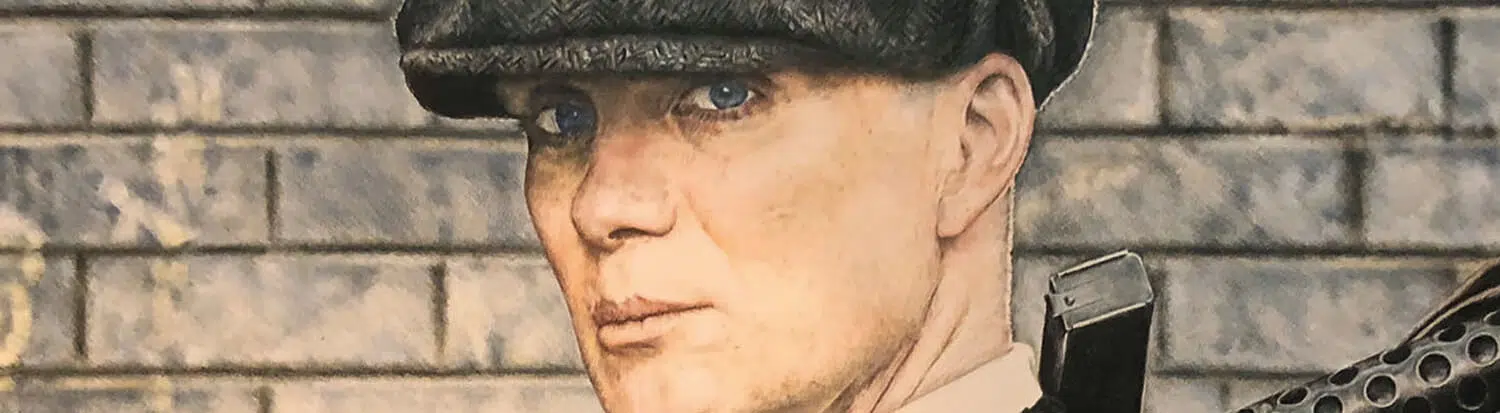
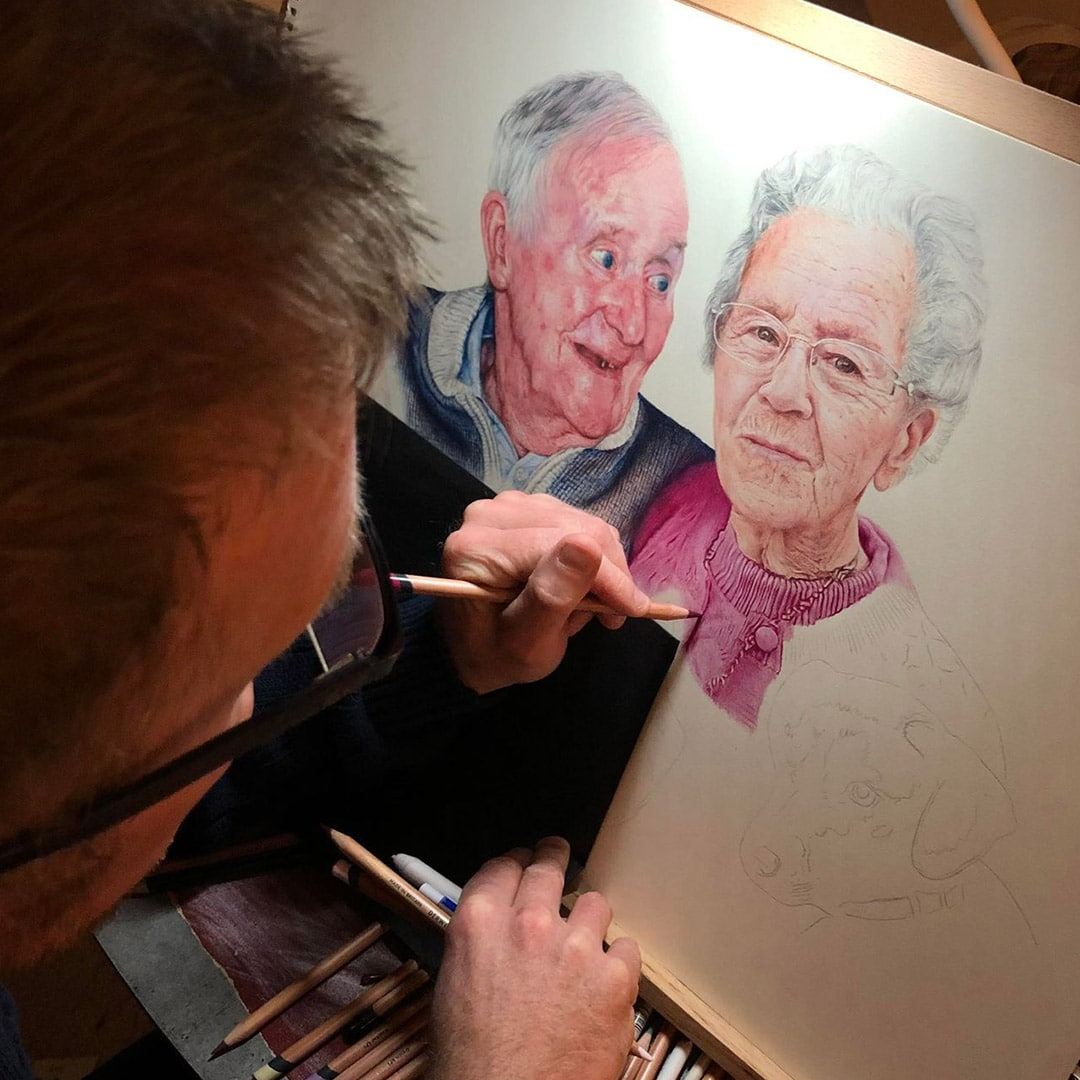
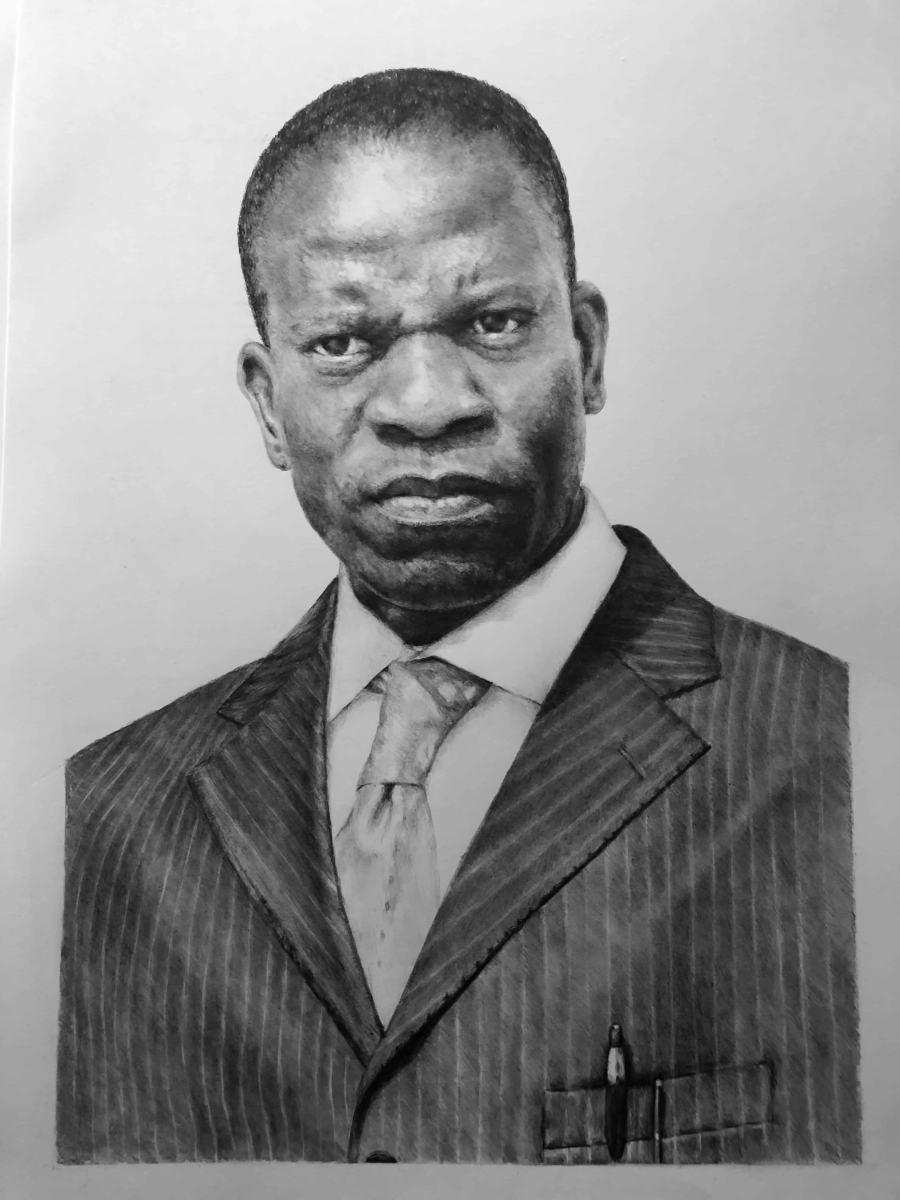
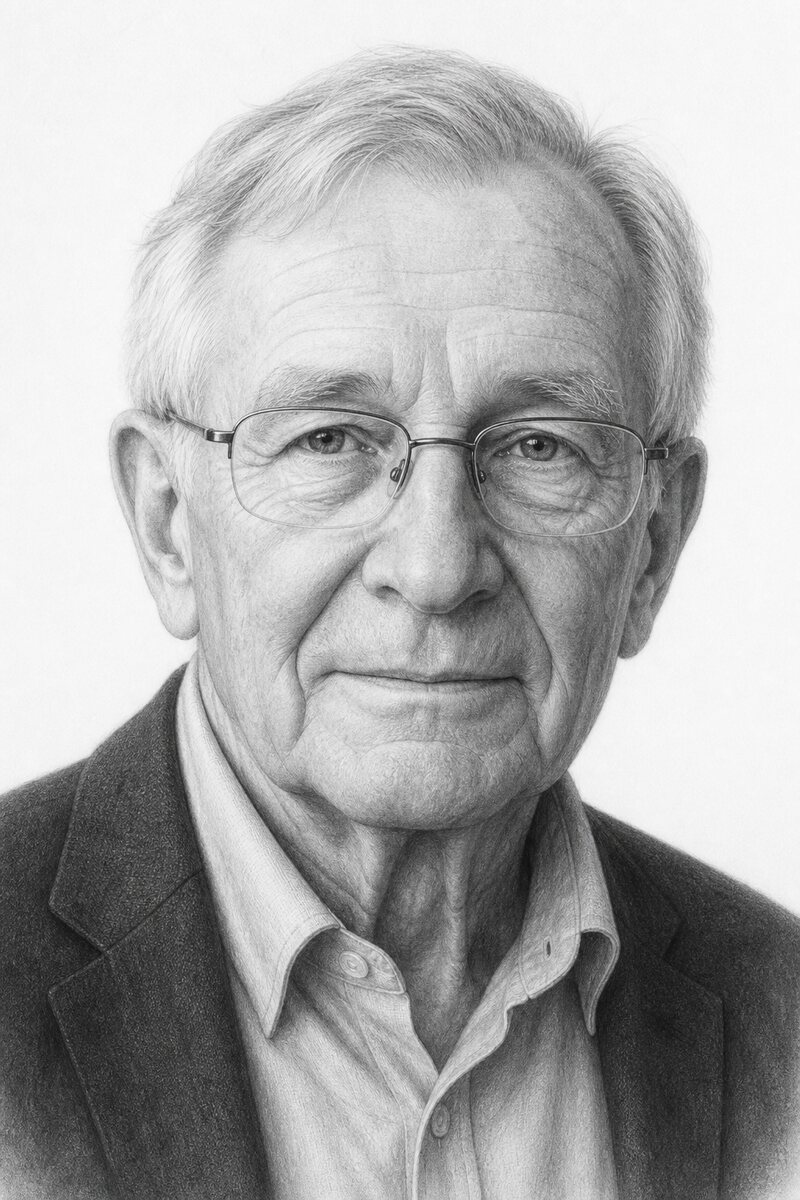
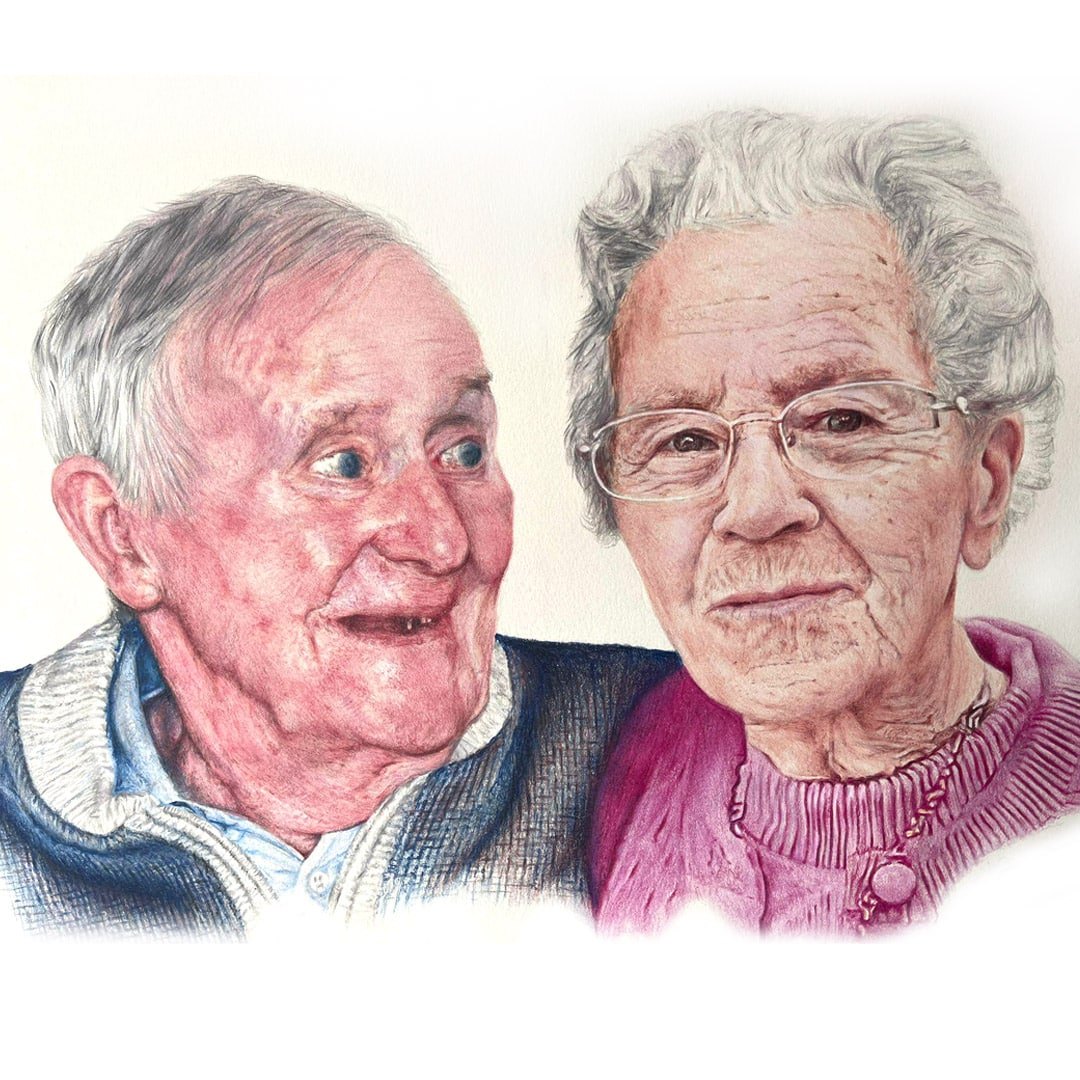
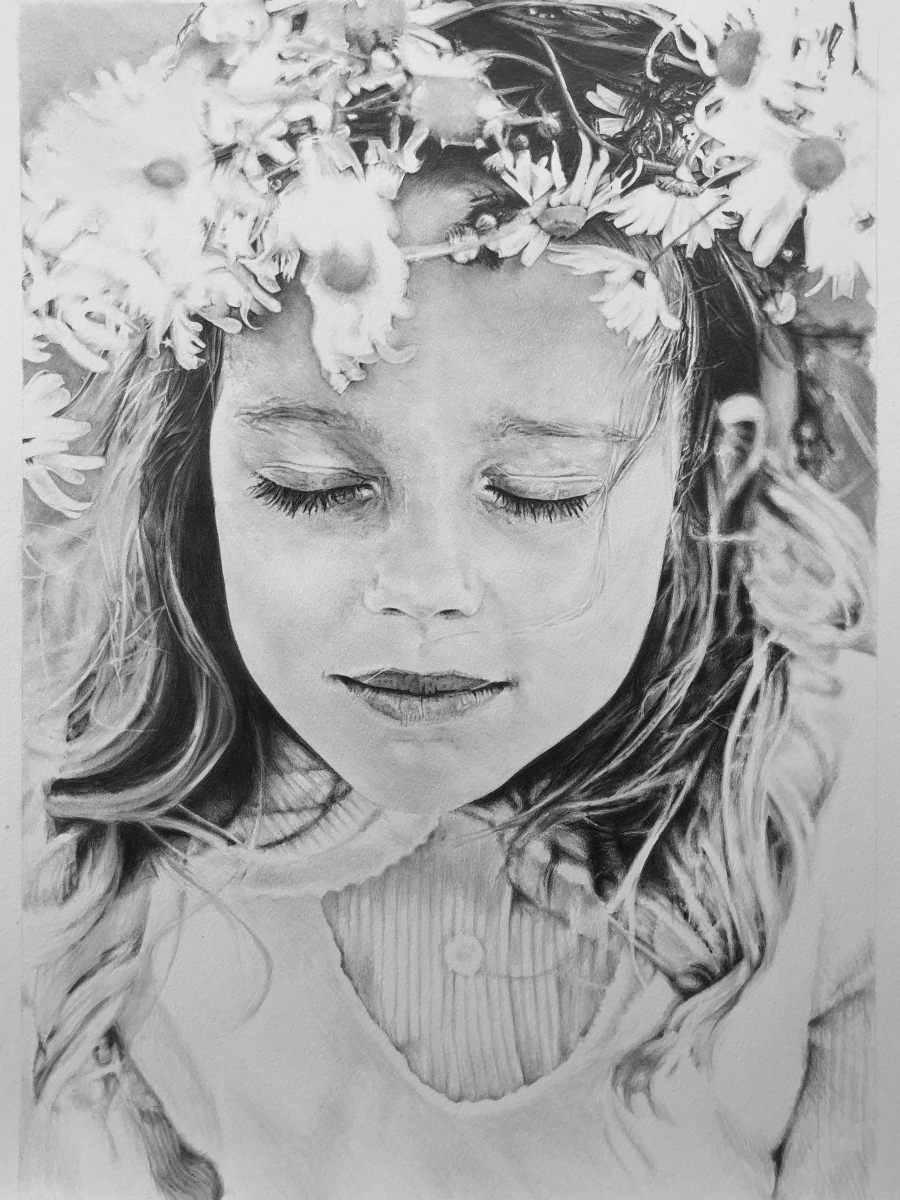
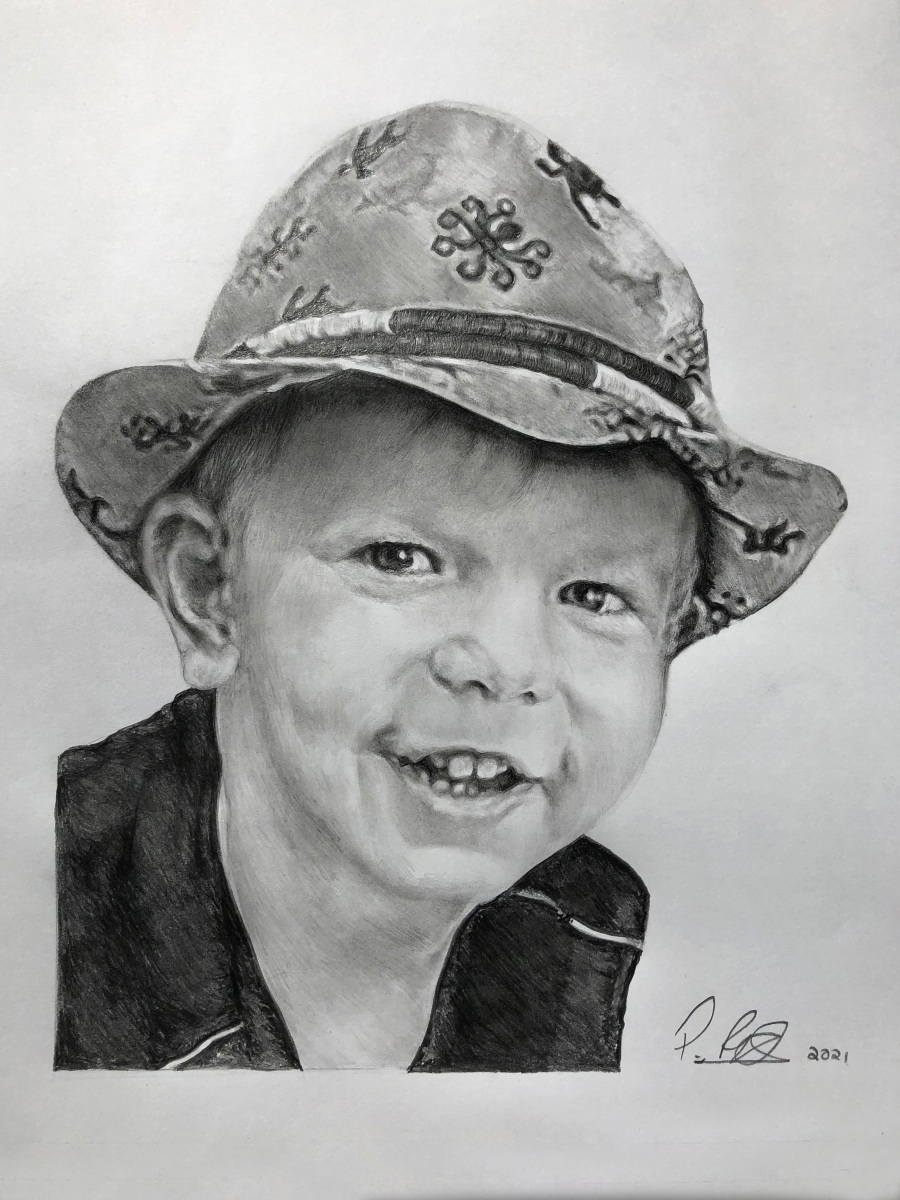
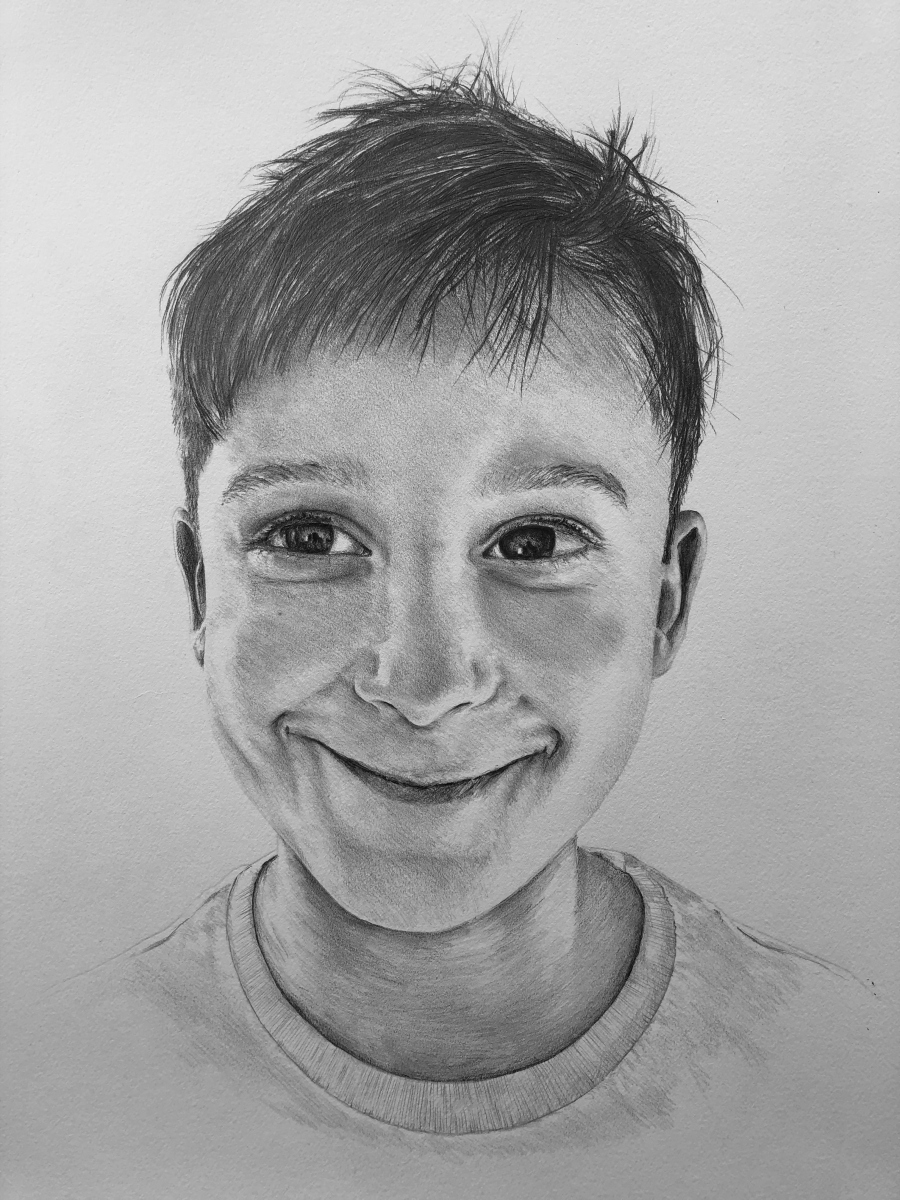
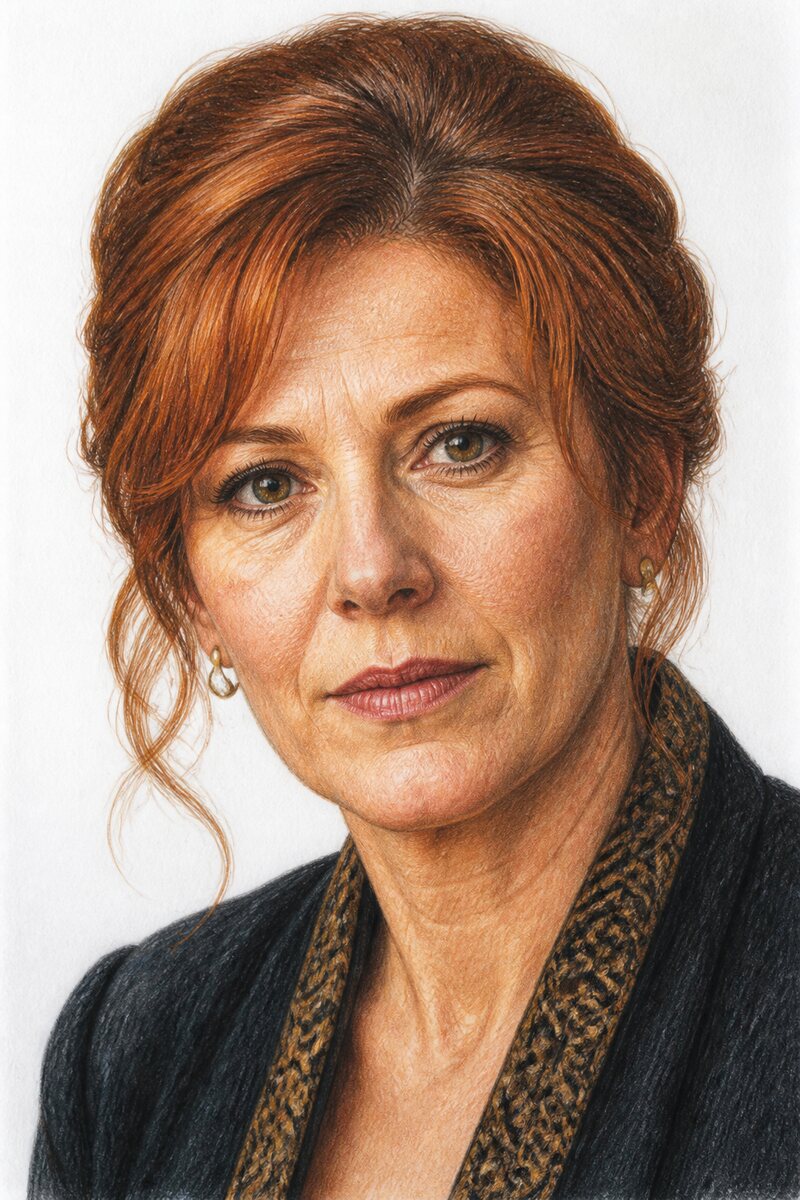
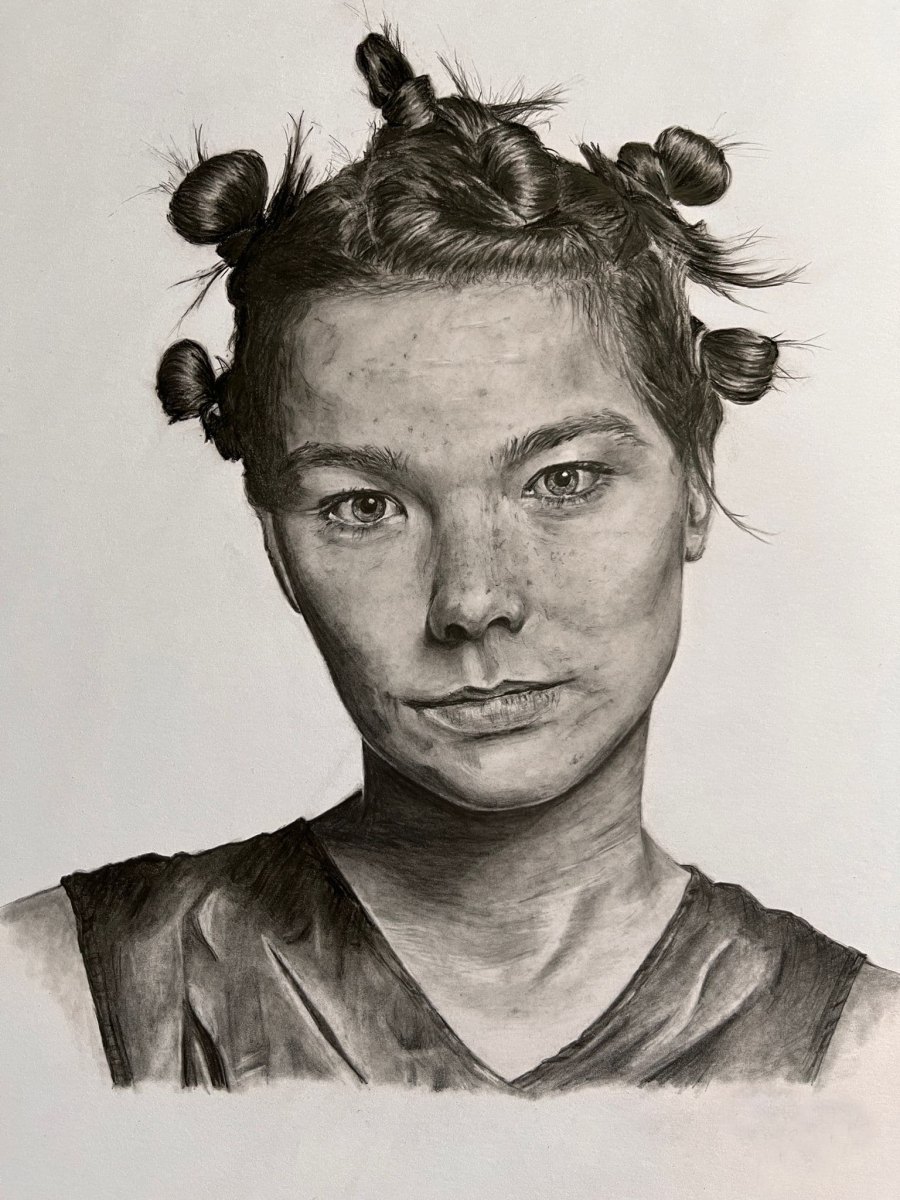
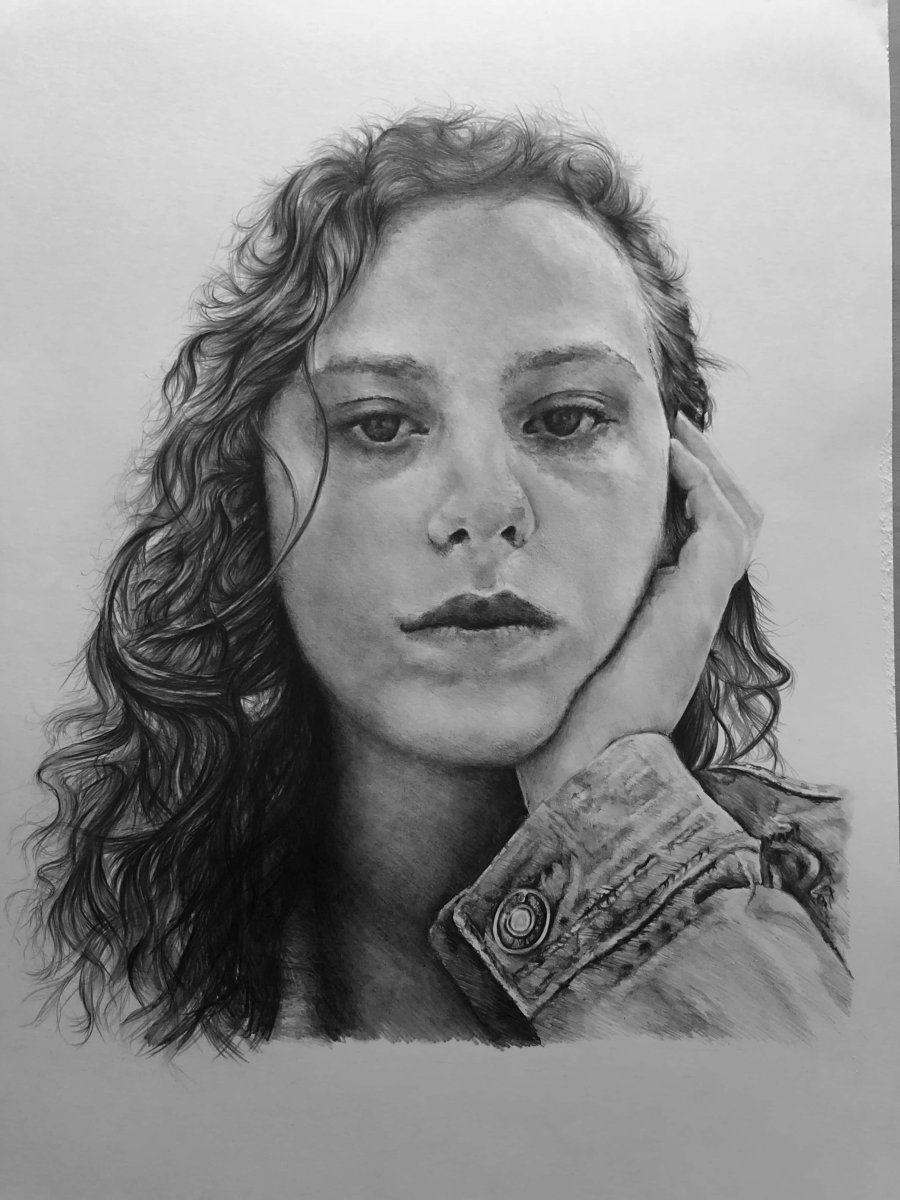
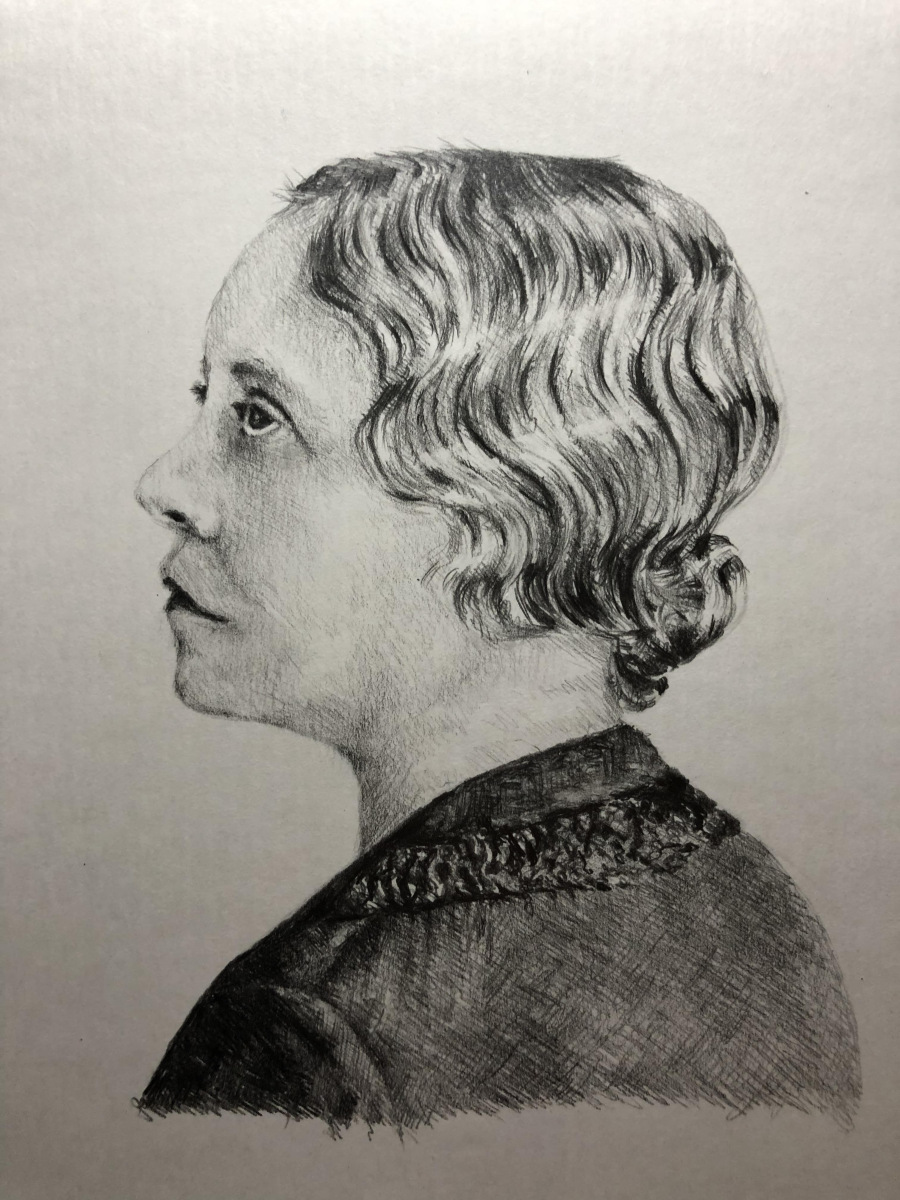
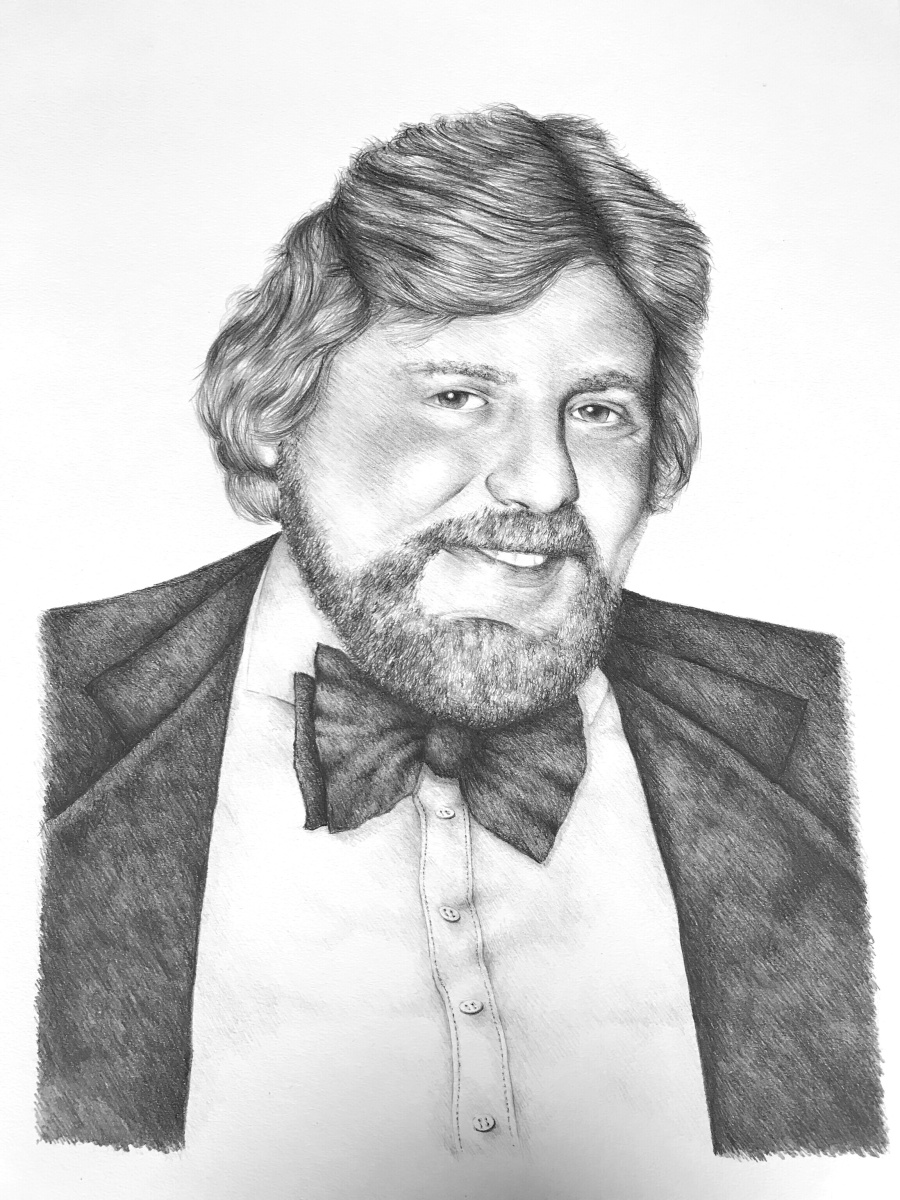
A pencil portrait of a person—whether an adult or a child—has a certain timeless magic that photographs can’t quite match. While a photo captures a split second in time, a pencil drawing feels more intentional, more distilled. Every line and shadow is placed by hand, reflecting not just how someone looks, but how they are perceived. It’s art that preserves personality and emotion in a way that feels personal and enduring.
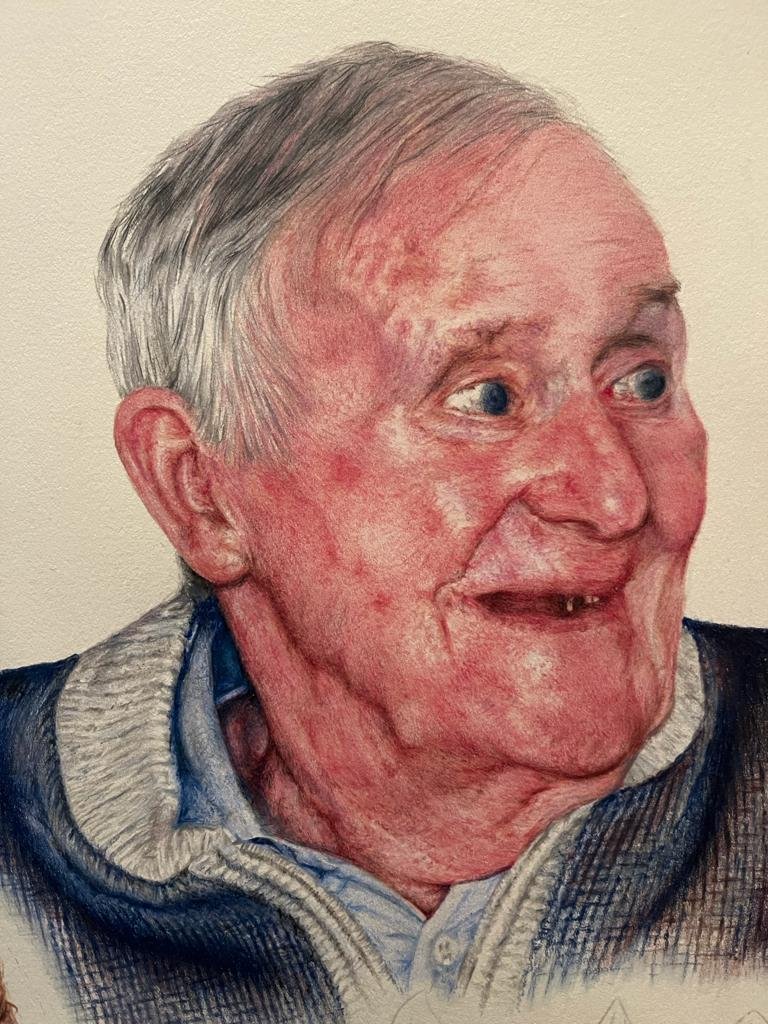
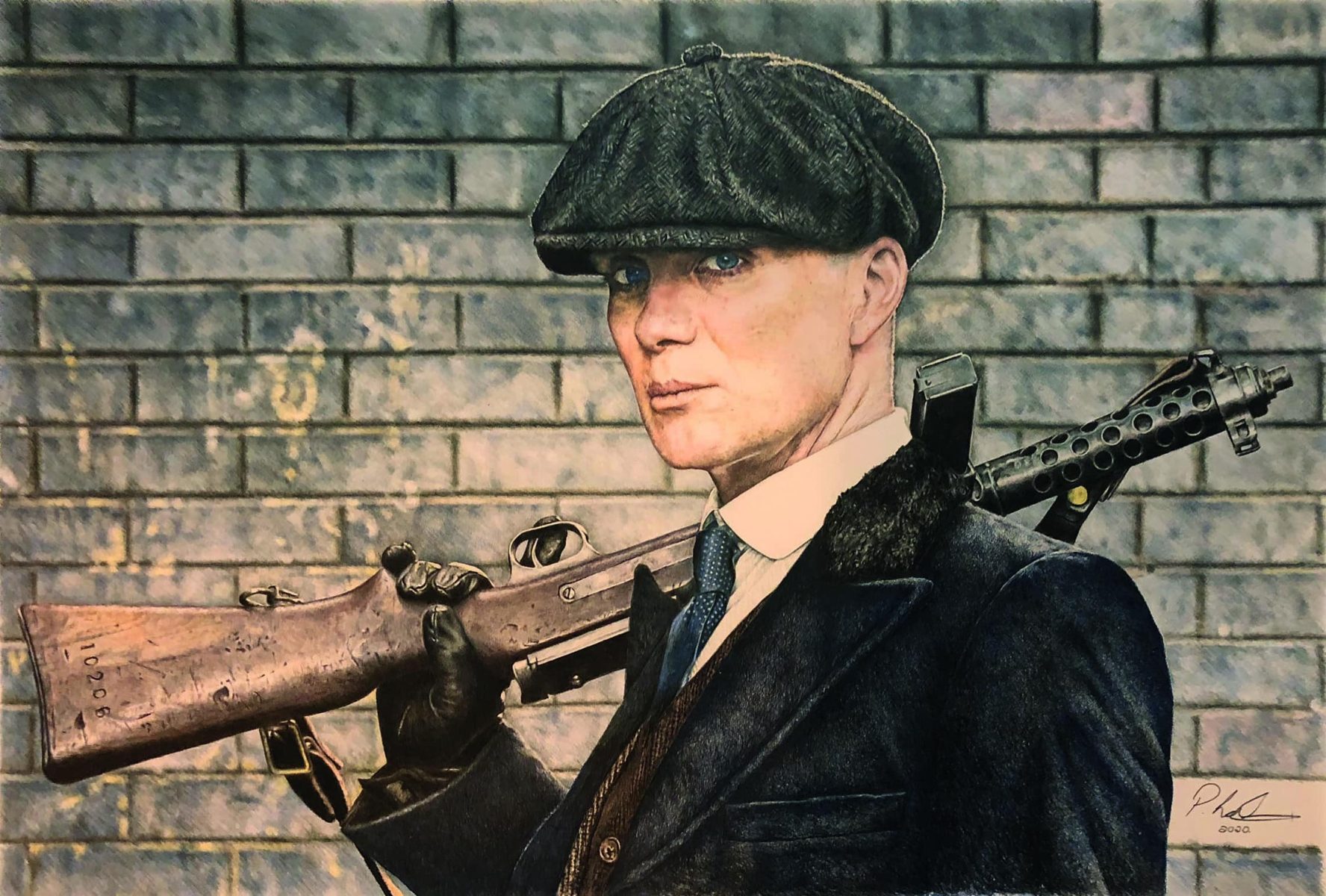
For adults, a pencil portrait can highlight character in subtle ways: the shape of the eyes, the curve of a smile, or the quiet strength in a certain expression. Fine lines and gentle shading can suggest life experience, while careful rendering of hair texture, clothing, and posture can create a sense of depth and realism. Some portraits have a formal, almost classical look—perfect for milestone occasions like weddings, anniversaries, or professional achievements—while others are relaxed and candid, capturing the natural ease of a person in their element.
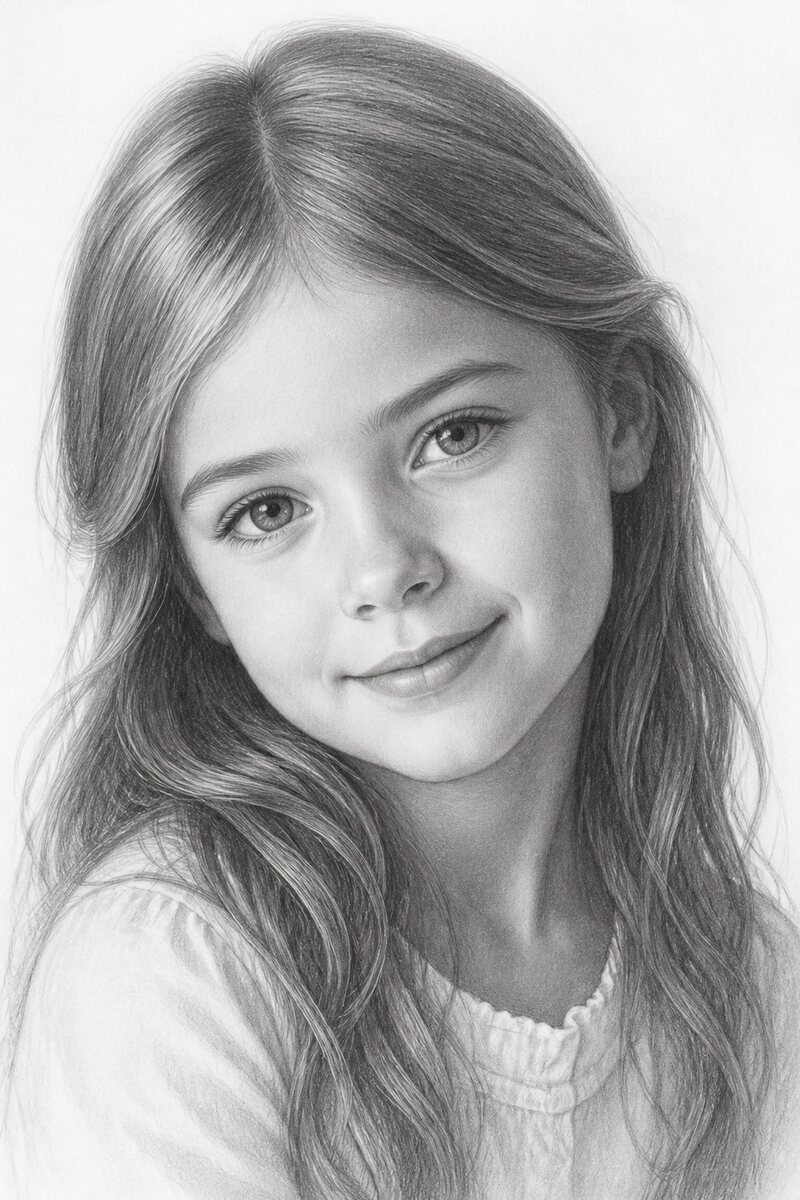
Children’s portraits, on the other hand, often aim to capture a sense of innocence, playfulness, and wonder. The softness of a child’s features is well-suited to graphite’s gentle tonal range. Artists can convey delicate eyelashes, the roundness of cheeks, or the light in a child’s eyes with soft, layered shading. A well-crafted pencil portrait of a child becomes a treasured keepsake, a snapshot of a fleeting stage of life that parents and grandparents will cherish as the years pass.
One of the strengths of pencil as a medium is its versatility. An artist can create hyper-realistic renderings that look almost photographic, or they can opt for a looser, sketchier style that feels lively and expressive. By adjusting the level of detail, they can emphasize certain aspects—like facial expression or posture—over others. This flexibility means a pencil portrait can fit into any setting, from a modern minimalist home to a more traditional, ornate interior.
Commissioning a portrait is often a collaborative process. The client might provide photographs, describe the subject’s personality, or share the context behind the commission. This input helps the artist make choices about lighting, background, and composition that reflect the subject’s essence. For example, an adult who is known for a warm smile might be drawn in a softer, more welcoming style, while a child who loves the outdoors could be sketched with subtle background hints of nature.
Beyond their aesthetic appeal, pencil portraits often hold deep emotional significance. They can commemorate important life events, honor loved ones, or preserve memories of moments that can’t be recreated. For families, a portrait might become an heirloom passed down through generations. For individuals, it might serve as a reminder of a particular time in life—a personal milestone, a youthful version of themselves, or a loved one remembered.
Ultimately, pencil portraits of people—adults and children alike—are more than just likenesses. They are works of art that bridge memory and artistry, capturing not only physical appearance but also the spirit of the subject. Through the simplicity of graphite and the skill of the artist, they offer a lasting, tangible way to remember, celebrate, and honor the people we hold dear.