Custom Pencil Portraits
Custom Pencil Portraits – Order Now
What Is a Custom Pencil Portrait?
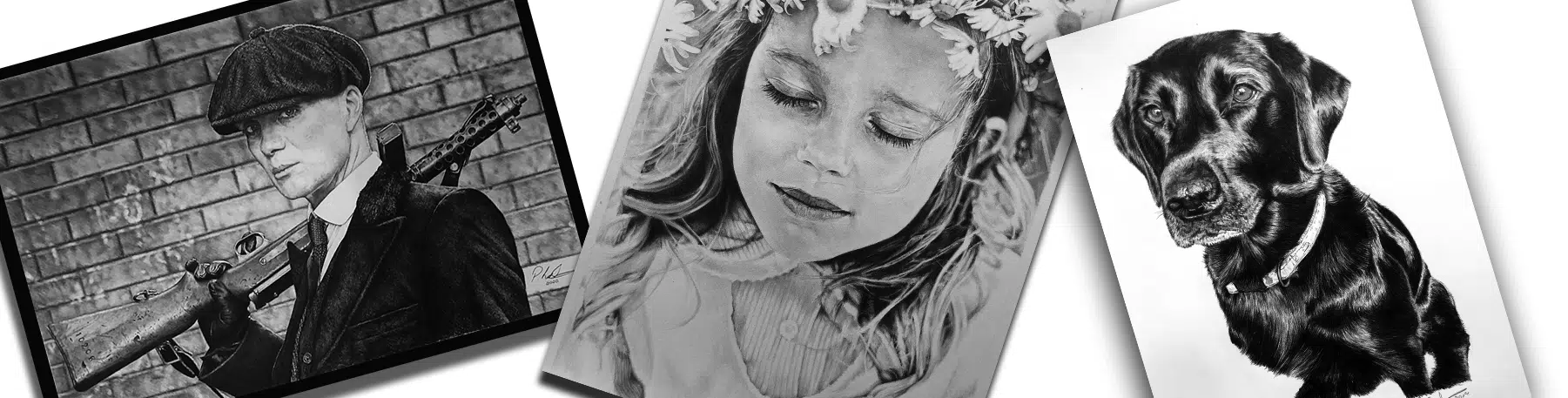
Custom pencil portraits have long been cherished as a timeless and personalised form of art. These portraits, meticulously crafted using graphite or colored pencils, capture the essence and character of the subject with a unique blend of realism and artistic interpretation. This guide will explore the various styles available, the process of creating custom pencil portraits, and the diverse aspects that make this art form special.
The Art of Pencil Portraits
Pencil portraits are an artistic representation of a person, animal, or object, created using pencils on paper. Artists utilize various techniques to achieve different effects, from hyper-realistic to abstract styles. The choice of pencils can range from traditional graphite to colored pencils, each offering distinct textures and visual outcomes.
Types of Custom Pencil Portraits
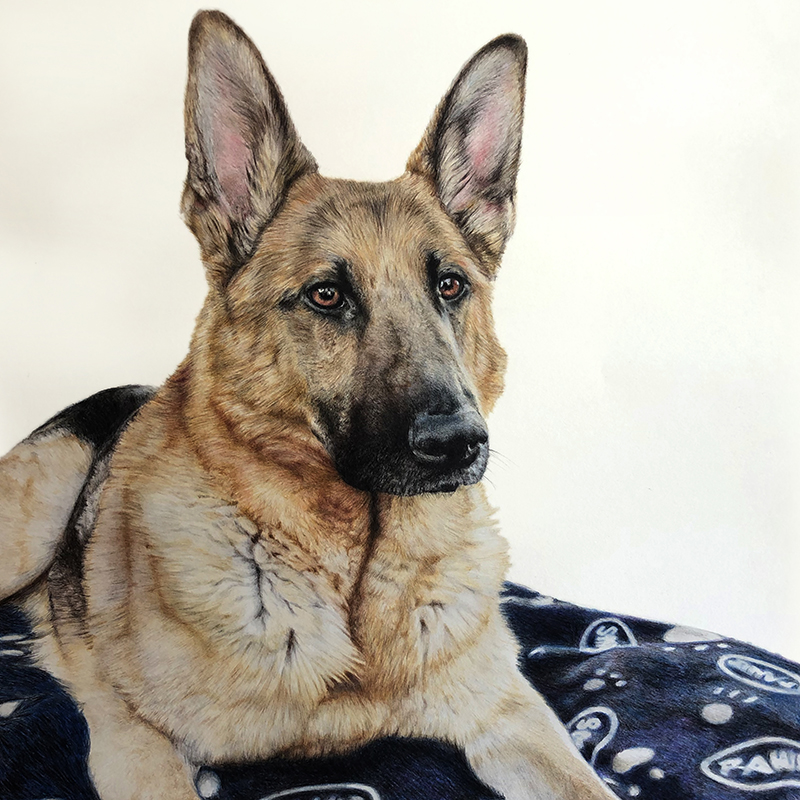
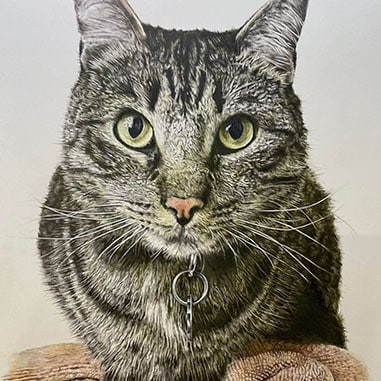

Order Your Pet Pencil Portrait Drawing Today –
Call 0777 999 3163 or Email: Sales@Personalartworks.Uk
Styles of Custom Pencil Portraits
Custom pencil portraits can vary widely in style, each offering a different aesthetic and emotional impact. Here are some popular styles:
Realistic Custom Portraits
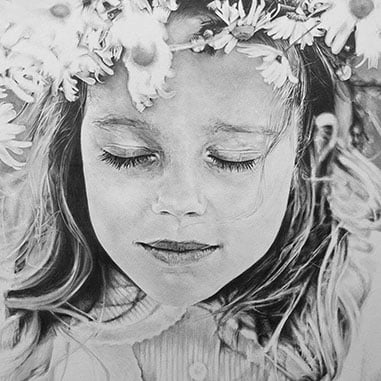
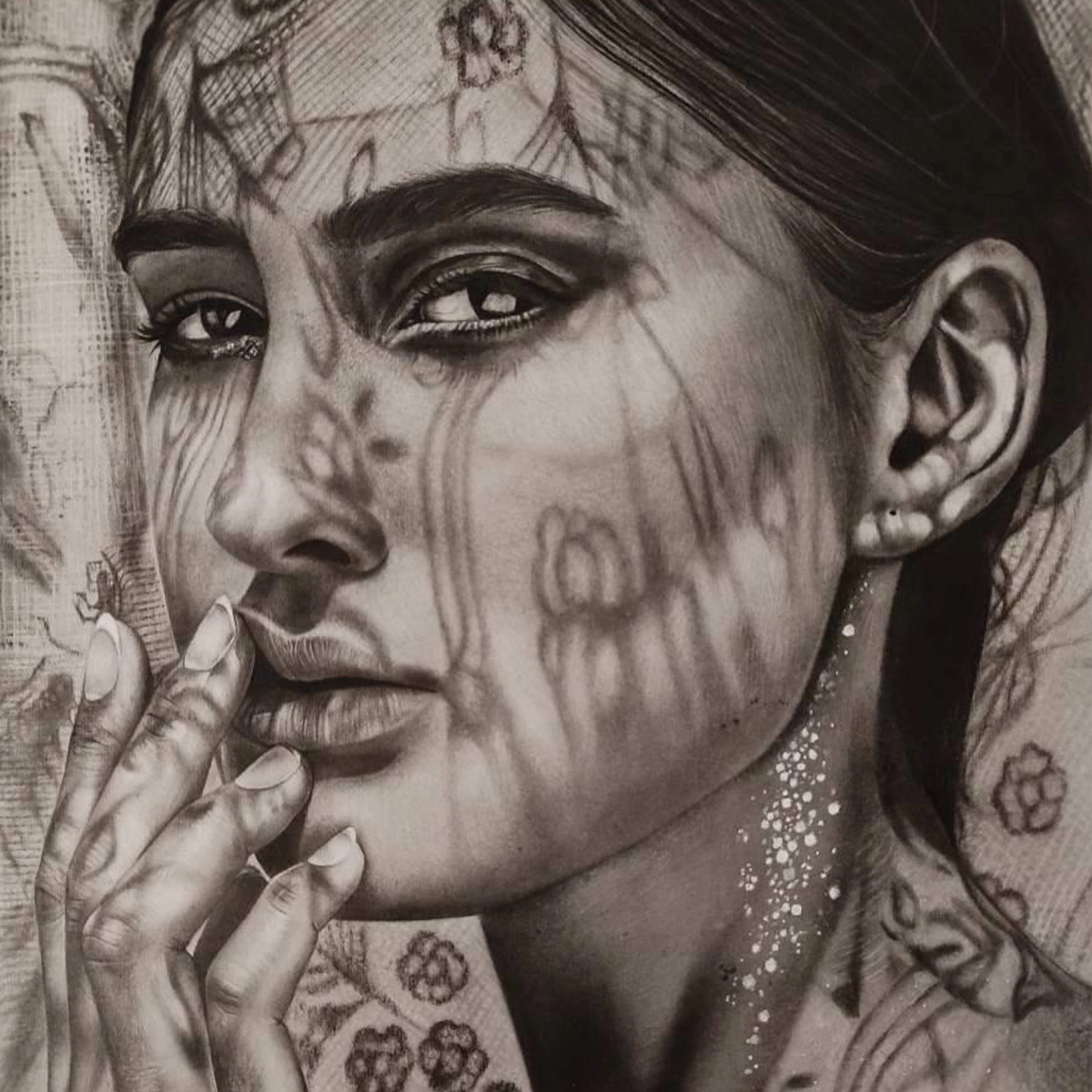
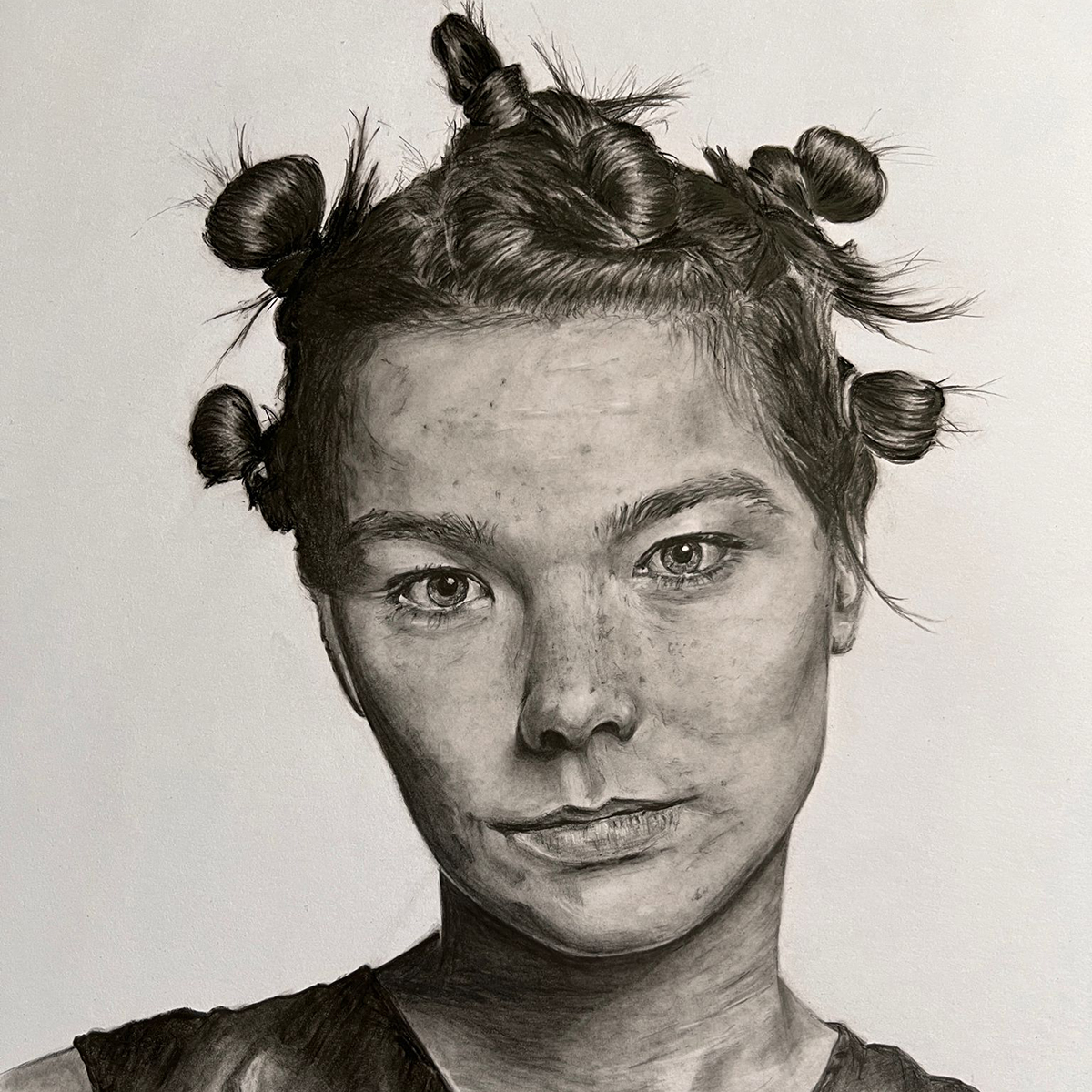
Realistic portraits or photorealistic portraits aim to replicate the subject with high accuracy, often indistinguishable from a photograph at first glance. This style requires meticulous attention to detail, shading, and texture. Artists working in this style often spend many hours perfecting every aspect of the portrait to achieve lifelike results.
Hyperrealistic Custom Portraits
Hyperrealism takes realism a step further, creating portraits that are even more detailed and intricate than traditional realism. This style focuses on extreme detail and can include elements that go beyond what the naked eye might see, often enhancing the subject to emphasise particular features or textures.
Expressive and Stylised Custom Portraits
In contrast to hyperrealism, expressive and stylized portraits prioritize the artist’s interpretation and emotional expression over photographic accuracy. These portraits might feature exaggerated features, bold lines, and dynamic shading to convey a particular mood or feeling.
Minimalist Custom Portraits
Minimalist portraits use fewer lines and details to capture the essence of the subject. This style often employs strong outlines and minimal shading, focusing on the most critical features to create a striking and elegant image.
Abstract Custom Portraits
Abstract portraits break away from traditional representation, using unconventional shapes, lines, and shading to interpret the subject. This style allows for greater artistic freedom and creativity, resulting in unique and often thought-provoking artwork.
Types of Pencils Used in Custom Pencil Portraits
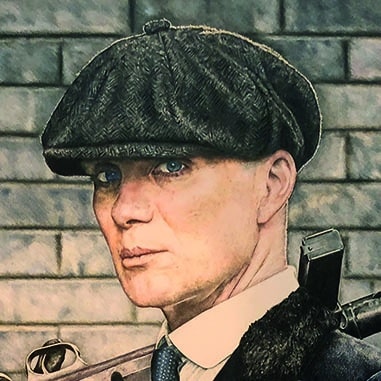
Graphite Pencils: Known for their versatility and range of hardness, graphite pencils are the most common tool for creating black-and-white portraits. The hardness of the pencil affects the darkness of the line, with softer pencils (B range) producing darker, bolder strokes and harder pencils (H range) creating lighter, finer lines.
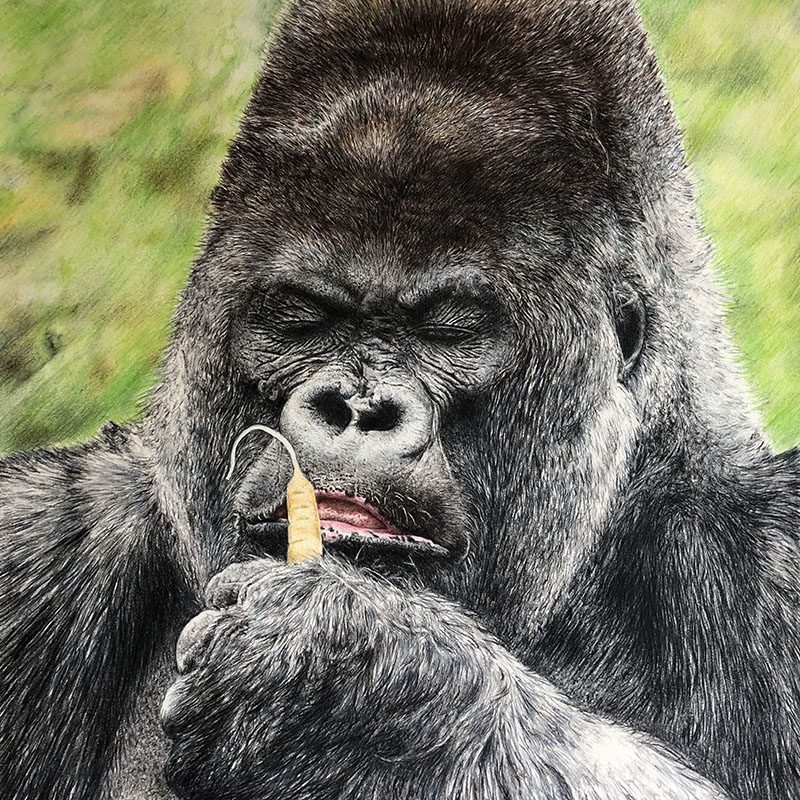
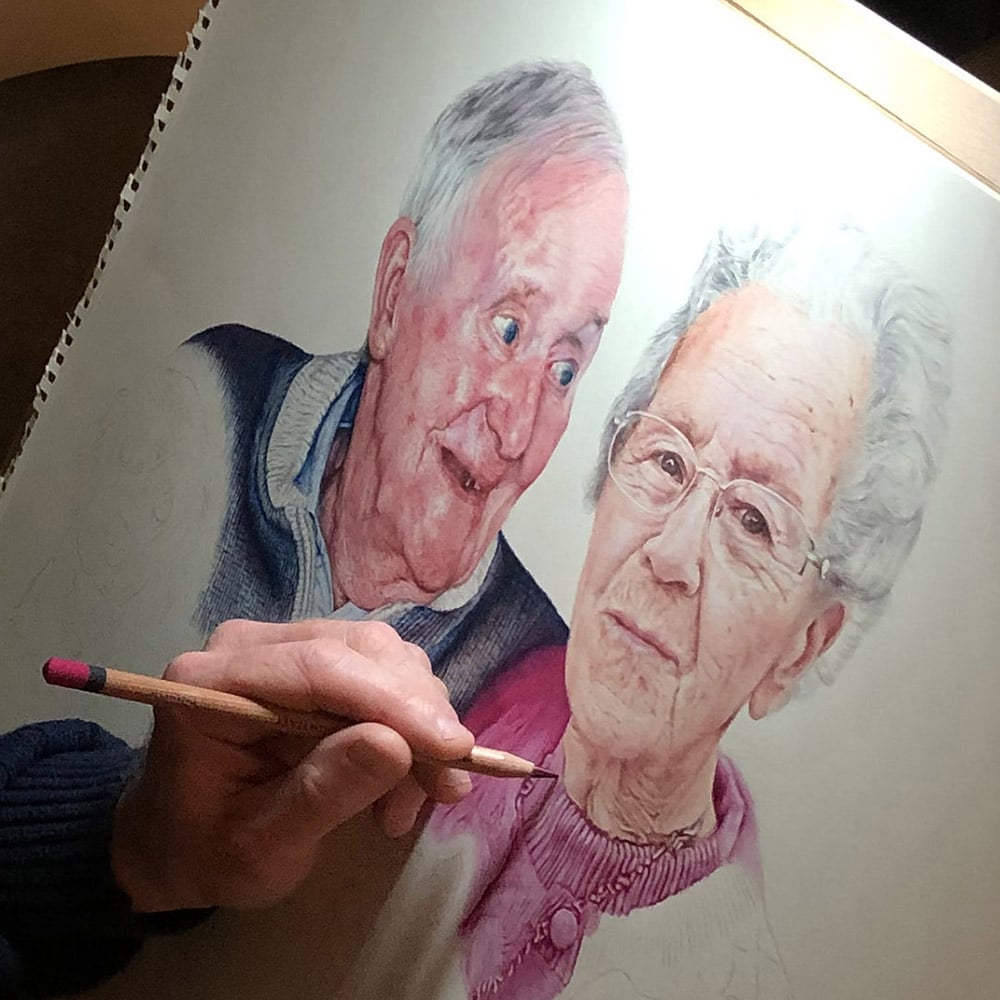
Colored Pencils: These are used to create vibrant and lifelike portraits with a wide range of colors. Artists can blend colors to achieve subtle gradients and realistic skin tones, making colored pencil portraits particularly striking.
Charcoal Pencils: Charcoal offers deep, rich blacks and a different texture compared to graphite. It is often used for more expressive and dramatic portraits.
Pastel Pencils: These pencils combine the precision of a pencil with the soft, blendable nature of pastels, allowing for smooth transitions and a painterly effect.
The Process of Creating a Custom Pencil Portrait
The creation of a custom pencil portrait involves several stages, from initial consultation to the final piece. Here’s a step-by-step overview:
Initial Consultation
Understanding Client’s Vision: The artist meets with the client to discuss their vision, preferences, and expectations. This might include discussing the desired style, size, and any specific details or elements the client wants to include.
Reference Photos: The client typically provides one or more reference photos. High-quality images with good lighting and clear details are essential for achieving an accurate portrait.
Sketching and Layout
Initial Sketch: The artist begins with a light, rough sketch to establish the composition and proportions. This stage is crucial for getting the basic layout correct before adding details.
Feedback and Adjustments: The initial sketch is often shared with the client for feedback. Any necessary adjustments are made to ensure the portrait meets the client’s expectations.
Detailed Drawing
Building Layers: The artist gradually builds up layers of shading and detail, starting with the lightest areas and progressively adding darker tones. This method helps create depth and dimension.
Refining Details: Fine details, such as hair strands, facial features, and textures, are carefully rendered. This stage requires a steady hand and keen eye for detail.
Final Touches: The artist adds the final touches, ensuring all elements are polished and cohesive. This might include blending, erasing any stray marks, and enhancing highlights.
Presentation and Delivery of Your Custom Pencil Portrait
Client Review: The completed portrait is presented to the client for final approval. Any minor adjustments can be made at this stage if necessary.
Framing and Delivery: Once approved, the portrait can be framed (if requested) and delivered to the client. Proper framing and preservation are important to protect the artwork from damage.
Unique Aspects of Custom Pencil Portraits
Custom pencil portraits stand out for several reasons, making them a cherished form of art for many people. Here are some unique aspects:
Personalisation
Each custom portrait is tailored to the client’s specifications, making it a highly personalized piece of art. This level of customization ensures that the portrait holds special meaning and significance for the recipient.
Timelessness
Pencil portraits have a timeless quality that transcends trends and fads. The classic look of a pencil drawing can complement any decor and remain a treasured keepsake for generations.
Emotional Connection
A well-executed portrait can capture the personality and spirit of the subject, creating an emotional connection that goes beyond a mere photograph. This emotional resonance is one of the key reasons people commission custom portraits.
Artistic Interpretation
While photographs capture reality, pencil portraits offer the artist’s interpretation of the subject. This artistic perspective can highlight particular features or emotions, adding a layer of depth and meaning to the portrait.
Applications of Custom Pencil Portraits
Custom pencil portraits can be commissioned for a variety of purposes and occasions. Here are some common applications:
Custom Family Portraits
Family Group Portraits are a popular choice, capturing the likeness of loved ones in a single piece. These portraits can include multiple generations and serve as a lasting memory of family togetherness.
Custom Pet Portraits
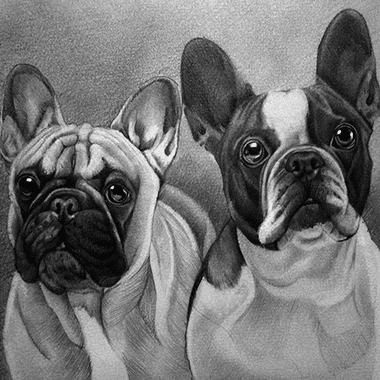
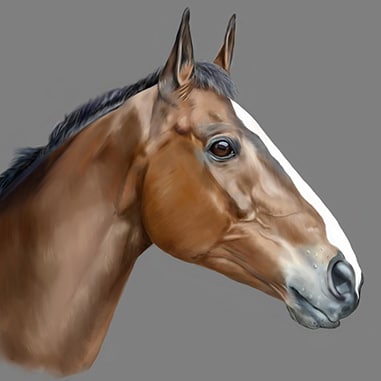
Pet pencil portraits celebrate the special bond between owners and their furry friends. Artists can capture the unique personality and characteristics of pets, creating a heartwarming tribute.
Custom Memorial Portraits
Memorial portraits honor the memory of deceased loved ones, providing a comforting and tangible reminder of their presence. These portraits are often deeply cherished by those who commission them.
Custom Wedding and Anniversary Pencil Portraits as Gifts
Custom wedding portraits make thoughtful and romantic gifts for weddings and anniversaries. A beautifully rendered portrait of the couple can commemorate their special day and serve as a lasting symbol of their love.
Custom Corporate and Professional Portraits
Businesses and professionals may commission custom portraits for office decor or to honor key individuals. These portraits can add a touch of elegance and personalization to a corporate environment.
Choosing the Right Artist
Selecting the right artist is crucial for ensuring a satisfying result. Here are some tips for choosing an artist for a custom pencil portrait:
Portfolio Review: Examine the artist’s portfolio to understand their style, skill level, and versatility. Look for consistency in quality and attention to detail.
Client Testimonials: Read reviews and testimonials from previous clients to gauge their satisfaction and the artist’s reliability.
Communication: Ensure the artist is communicative and willing to discuss your vision and preferences. Good communication is key to a successful collaboration.
Experience and Specialisation: Consider the artist’s experience and any specialization they might have. Some artists may excel in particular types of portraits, such as pet portraits or hyperrealistic styles.
Pricing and Timeline: Discuss pricing and timeline upfront to avoid any surprises. Make sure the artist can meet your deadline and budget.
Preservation and Care of Pencil Portraits
Proper care and preservation are essential to keep a custom pencil portrait looking its best for years to come. Here are some tips:
Framing
Framing a pencil portrait not only enhances its appearance but also protects it from dust, moisture, and physical damage. Use acid-free mats and backing materials to prevent yellowing and deterioration.
Display
Avoid displaying the custom pencil portrait in direct sunlight, as UV rays can cause fading over time. Choose a location with stable temperature and humidity levels to prevent warping or other damage.
Cleaning
If the portrait needs cleaning, use a soft brush or cloth to gently remove dust. Avoid using any liquids or harsh chemicals, as these can damage the paper and pencil marks.
Storage
If the portrait is not being displayed, store it in a cool, dry place, preferably in a protective sleeve or portfolio. Ensure it is laid flat and not subjected to any pressure or bending.
Conclusion
Custom pencil portraits are a beautiful and timeless way to capture the essence of a subject, whether it be a loved one, pet, or memorable event. With a variety of styles to choose from, each portrait can be tailored to reflect the unique personality and preferences of the client. The process of creating a custom portrait involves careful planning, skilled craftsmanship, and a deep understanding of the subject, resulting in a piece of art that is both personal and enduring. By choosing the right artist and taking proper care of the portrait, these works of art can be treasured for generations, providing a lasting connection to the people and moments they depict.