
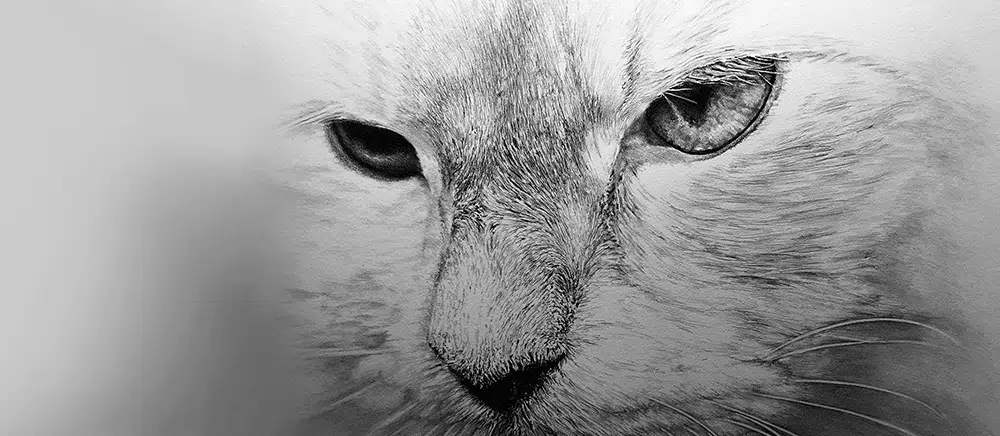
Chartreux Cat Pencil Drawings
Chartreux Cat Pencil Drawings: Capturing Elegance in Graphite
The Chartreux cat, known for its robust build, dense blue-grey coat, and striking copper or gold eyes, is a subject that captivates artists. Capturing the essence of this beautiful breed in pencil drawings requires a blend of technical skill and a deep appreciation for the breed’s unique characteristics. This essay explores the art of creating Chartreux cat pencil drawings, highlighting the techniques, challenges, and the beauty that these works of art can achieve.
The Allure of the Chartreux
The Chartreux cat is a breed with a rich history, originating from France and believed to have been brought there by Carthusian monks. Their distinct appearance—muscular bodies, rounded faces, and large, expressive eyes—makes them an intriguing subject for artists. The sleek, uniform blue-grey coat adds an element of elegance, while their calm and gentle demeanor can be captured through careful attention to facial expressions and posture.
Techniques for Drawing Chartreux Cats
Creating a realistic and expressive pencil drawing of a Chartreux cat involves mastering several techniques:
Understanding Anatomy:
A fundamental step in drawing any animal is a solid understanding of its anatomy. For the Chartreux, artists must pay attention to the muscular structure and how it shapes the body. Reference materials such as photographs and anatomical diagrams can aid in understanding proportions and the underlying skeletal structure.
Capturing the Coat Texture:
The Chartreux’s short, dense coat requires specific shading techniques to convey its texture. Artists often use fine, closely spaced lines (hatching) and cross-hatching to build up layers of fur. The direction of the strokes should follow the natural flow of the fur, enhancing the realism of the drawing.
Rendering the Eyes:
The eyes are a focal point in any animal portrait. For Chartreux cats, their large, round eyes with vibrant copper or gold hues can be particularly striking. To capture the depth and luminosity, artists use a combination of soft shading and sharp highlights. The placement of reflections is crucial to convey the glassy, moist surface of the eyes.
Expressing the Personality:
Beyond physical accuracy, capturing the personality of the Chartreux is essential. This involves studying the cat’s expressions and typical poses. A relaxed, gentle gaze or a playful stance can be brought to life through subtle adjustments in the drawing, such as the tilt of the head or the positioning of the ears.
Challenges in Drawing Chartreux Cats
Even experienced artists face challenges when drawing Chartreux cats:
Monochromatic Coat:
The uniform blue-grey coat, while beautiful, can be difficult to render effectively. The challenge lies in creating depth and dimension without the aid of varied colors. This requires a keen understanding of light and shadow, as well as the ability to use different pencil grades to achieve a range of tones.
Maintaining Proportions:
Ensuring the correct proportions of the cat’s body and facial features is critical. Even slight deviations can result in a drawing that looks off. Regularly measuring and comparing different parts of the drawing can help maintain accuracy.
Expressing Subtle Details:
Small details such as the texture of the nose, the structure of the whiskers, and the delicate transition from the nose to the mouth can be challenging. These require precision and a light touch, often involving the use of fine mechanical pencils or very sharp traditional pencils.
Tools and Materials
The choice of tools and materials can significantly impact the quality of a Chartreux cat pencil drawing:
Pencils:
A range of pencils from hard (H) to soft (B) allows for varying levels of darkness and line thickness. Harder pencils (e.g., 2H, 4H) are useful for initial sketches and fine details, while softer pencils (e.g., 2B, 4B, 6B) are ideal for shading and creating rich, dark tones.
Paper:
Tools and Materials
The choice of tools and materials can significantly impact the quality of a Chartreux cat pencil drawing:
Pencils:
A range of pencils from hard (H) to soft (B) allows for varying levels of darkness and line thickness. Harder pencils (e.g., 2H, 4H) are useful for initial sketches and fine details, while softer pencils (e.g., 2B, 4B, 6B) are ideal for shading and creating rich, dark tones.
Paper:
The texture and weight of the paper influence the final result. Smooth papers are ideal for detailed work, while slightly textured papers can add depth to the shading. Heavyweight paper (e.g., 200 gsm or more) can handle multiple layers of graphite without buckling.
Erasers:
Kneaded erasers are versatile tools that can lift graphite without damaging the paper. Precision erasers can create fine highlights and correct small mistakes. Additionally, using a brush or a piece of clean cloth to remove eraser crumbs helps keep the drawing clean.
Blending Tools:
Blending stumps or tortillons can smooth out shading and create soft transitions between light and dark areas. Alternatively, using a piece of tissue or cotton swab can achieve similar effects without smudging the paper excessively.
The Artistic Process
Creating a Chartreux cat pencil drawing typically follows a structured process:
Reference Gathering:
High-quality reference images are crucial. Artists often use multiple photos to capture different angles and details of the cat. Observing the cat in person, if possible, provides valuable insights into its behaviour and personality.
Initial Sketch:
The first step is a light sketch to establish the basic shapes and proportions. Artists focus on the overall silhouette and major landmarks such as the eyes, ears, and nose.
Detailed Drawing:
Once the basic sketch is in place, artists begin refining the drawing. This involves adding details and gradually building up the fur texture and shading. Regular breaks to step back and assess the drawing from a distance help maintain perspective.
Final Touches:
The last stage involves fine-tuning details and enhancing contrast. Adding sharp highlights, deepening shadows, and ensuring smooth transitions between tones bring the drawing to life. Fixative spray can be used to protect the finished artwork from smudging.
Appreciating Chartreux Cat Drawings
Pencil drawings of Chartreux cats are not only a testament to an artist’s skill but also a celebration of the breed’s beauty. These drawings capture the subtle nuances of the cat’s appearance and personality, making them cherished pieces for cat lovers and art enthusiasts alike. The monochromatic nature of pencil drawings allows for a focus on form and texture, highlighting the elegance of the Chartreux without the
Distraction of Color.
The process of creating these drawings also offers a meditative experience for the artist. The repetitive motions of shading and detailing can be soothing, allowing the artist to connect deeply with their subject. Each stroke of the pencil is a step toward capturing the essence of the Chartreux, making the final artwork a labor of love.
In conclusion, pencil drawings of Chartreux cats are a unique and captivating form of art. They require a blend of technical skill, anatomical knowledge, and a deep appreciation for the breed’s characteristics. Despite the challenges, the result is a beautiful, monochromatic portrayal that captures the elegance and personality of the Chartreux. Whether for personal enjoyment or as a professional pursuit, drawing Chartreux cats in pencil is a rewarding artistic endeavor.